Moblo APK: Furniture 3D Modeling & Room Planner for Android
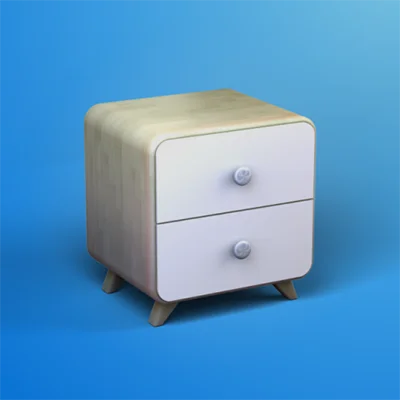
Imagine being able to design your dream living space, experiment with furniture arrangements, and visualize complete room layouts—all from your Android device. Moblo – furniture 3D modeling brings this vision to reality, offering a powerful yet accessible platform for creating detailed three-dimensional furniture models and interior designs. Whether you’re a professional interior designer, furniture enthusiast, DIY home decorator, or someone planning a room renovation, this innovative application transforms your smartphone into a sophisticated 3D modeling studio.
Table of Contents
In an era where visualization is crucial for making informed design decisions, Moblo – furniture 3D modeling eliminates the guesswork from furniture selection and room planning. No longer do you need expensive desktop software or extensive technical training to create professional-quality 3D models. This comprehensive guide explores how Moblo empowers users to design, customize, and visualize furniture in three dimensions, making interior design accessible to everyone.
Understanding 3D Furniture Modeling on Mobile
The transition of 3D modeling capabilities from desktop workstations to mobile devices represents a significant technological achievement. Traditional 3D modeling required powerful computers running specialized software like SketchUp, Blender, or AutoCAD. Mobile applications like Moblo have democratized this process, making sophisticated modeling tools available to anyone with an Android device.
The Power of Mobile 3D Design
Real-Time Visualization: Create and manipulate three-dimensional furniture models instantly, seeing changes reflected immediately as you adjust dimensions, materials, or configurations.
Portability and Convenience: Design while shopping at furniture stores, measuring spaces in your home, or collaborating with clients on-site—your design studio travels with you.
Intuitive Touch Controls: Tap, swipe, pinch, and rotate gestures make 3D modeling more natural and accessible than traditional mouse-and-keyboard interfaces.
Cloud Integration: Save projects to the cloud, enabling seamless work across multiple devices and easy sharing with collaborators or family members.
Key Features of Moblo – Furniture 3D Modeling
The Moblo – furniture 3D modeling application offers a comprehensive toolkit designed specifically for furniture design and interior space planning. Understanding these capabilities helps you leverage the app’s full potential.
Core Functionality Overview
| Feature Category | Capabilities | Practical Applications |
|---|---|---|
| 3D Modeling Tools | Create custom furniture from scratch | Design unique pieces matching exact specifications |
| Measurement System | Precise dimensional control | Ensure furniture fits designated spaces perfectly |
| Material Library | Wood textures, fabrics, metals, finishes | Visualize how different materials affect aesthetics |
| Room Planning | Complete space layout design | Plan entire rooms with furniture arrangements |
| Export Options | Multiple file formats for sharing | Collaborate with manufacturers or contractors |
| Rendering Engine | Realistic lighting and shadows | Present designs professionally |
Design Process Workflow
The application guides users through an intuitive design workflow:
- Project Initialization: Create a new furniture piece or room layout project
- Dimension Specification: Input precise measurements for accurate scaling
- Shape Creation: Build basic forms using primitive shapes or custom geometries
- Detail Addition: Add features like drawers, handles, legs, or decorative elements
- Material Application: Select and apply textures, colors, and finishes
- Arrangement: Position furniture within room layouts
- Visualization: Render the complete scene with realistic lighting
- Export/Share: Save or share designs in various formats
Practical Applications for Different Users
Moblo – furniture 3D modeling serves diverse user groups, each finding unique value in its capabilities. Understanding how different audiences leverage the application provides insight into its versatility.
Homeowners and DIY Enthusiasts
For individuals planning home improvements or renovations, the app offers several advantages:
Pre-Purchase Visualization: Model furniture you’re considering buying to see how it fits and looks in your actual space before making expensive purchases.
Space Optimization: Experiment with different furniture arrangements to maximize room functionality and flow without physically moving heavy items.
Custom Furniture Planning: Design built-in shelving, custom cabinets, or unique pieces, then share specifications with carpenters or manufacturers.
Renovation Confidence: Visualize complete room transformations, reducing uncertainty and ensuring satisfaction before committing to changes.
Users seeking complementary home improvement tools might also explore Artbox: Artwork Preview App for visualizing wall art placement or AR Art Projector: Da Vinci Eye for augmented reality design assistance.
Professional Interior Designers
Interior design professionals find Moblo invaluable for:
Client Presentations: Create detailed 3D visualizations that clients can understand more easily than traditional 2D floor plans or sketches.
Rapid Prototyping: Quickly generate multiple design concepts during brainstorming sessions or client meetings.
Spatial Problem-Solving: Address challenging spaces by modeling various furniture configurations to find optimal solutions.
Portfolio Building: Develop a collection of rendered designs showcasing your creative vision and technical capabilities.
Furniture Makers and Woodworkers
Craftspeople use the application for:
Design Development: Translate ideas into three-dimensional models before investing time and materials in physical construction.
Proportion Verification: Ensure aesthetic balance and proper scaling before cutting wood or materials.
Client Communication: Show customers exactly what they’ll receive, reducing misunderstandings and ensuring satisfaction.
Construction Planning: Generate detailed views from multiple angles to guide the building process.
For artisans seeking additional creative tools, Infinite Design offers vector-based design capabilities, while Mockup Creator 2025 helps present finished work professionally.
Mastering 3D Modeling Techniques
While Moblo – furniture 3D modeling is designed for accessibility, understanding fundamental 3D modeling concepts enhances your results and efficiency.
Essential Modeling Principles
Scale and Proportion: Maintaining accurate real-world dimensions ensures your designs translate correctly to physical spaces. Always work with precise measurements rather than approximations.
Geometric Foundation: Complex furniture pieces begin with simple shapes—boxes, cylinders, spheres. Master combining and modifying these primitives before attempting intricate designs.
Material Realism: Textures and finishes dramatically affect perceived quality. Select materials that authentically represent final products—wood grain direction, fabric weave patterns, and metal reflectivity all matter.
Lighting Considerations: How light interacts with your design affects its appearance. Position virtual light sources to simulate actual room lighting conditions for realistic previews.
Advanced Design Strategies
Modular Design Approach: Create reusable components (legs, drawer fronts, handles) that can be duplicated and modified, speeding up the design process significantly.
Layering and Organization: Keep your project organized by grouping related elements, naming components clearly, and using layers to manage complex assemblies.
View Management: Regularly examine your design from multiple angles—front, side, top, and perspective views—to catch proportion issues or aesthetic problems.
Iterative Refinement: Start with rough forms, gradually adding detail. This approach prevents wasted effort on elements that might change as the design evolves.
Room Planning and Space Visualization
Beyond individual furniture pieces, Moblo excels at complete room layout planning, helping users optimize spaces before making physical changes.
Room Layout Best Practices
Accurate Room Measurement: Begin by precisely measuring your actual space, including:
- Wall lengths and ceiling heights
- Window and door locations and dimensions
- Architectural features (columns, alcoves, built-ins)
- Electrical outlets and lighting fixtures
- Traffic flow patterns and doorway swings
Furniture Placement Principles:
Focal Point Establishment: Arrange furniture around room focal points (fireplaces, entertainment centers, views) to create cohesive layouts.
Traffic Flow Optimization: Ensure clear pathways of at least 30-36 inches for comfortable movement through spaces.
Conversational Groupings: Position seating to facilitate interaction, typically arranging furniture within 8-10 feet of each other.
Balance and Symmetry: Distribute visual weight evenly throughout rooms, though perfect symmetry isn’t always necessary or desirable.
Functional Zoning: Divide larger spaces into activity zones (reading nooks, conversation areas, work spaces) using furniture placement.
Visualization Enhancement Techniques
Realistic Materials: Apply textures matching your actual or intended materials—hardwood floor types, wall paint colors, fabric patterns.
Lighting Scenarios: Test designs under different lighting conditions—natural daylight, evening ambient lighting, task lighting.
Perspective Exploration: View rooms from eye level, as this represents how you’ll actually experience the space daily.
Seasonal Consideration: Consider how natural light changes throughout the year might affect room appearance and functionality.
Technical Tips for Optimal Performance
Maximizing Moblo – furniture 3D modeling performance ensures smooth operation and professional results, especially when working on complex projects.
Device Optimization
Storage Management: 3D models with high-resolution textures consume significant storage. Regularly archive completed projects and delete unused resources.
RAM Considerations: Complex scenes with multiple detailed furniture pieces require substantial memory. Close unnecessary background apps when working on intensive projects.
Processing Power: Rendering realistic scenes demands computational resources. For complex visualizations, allow adequate time for the rendering process to complete.
Graphics Capabilities: Modern Android devices with dedicated GPUs provide smoother manipulation and faster rendering. If experiencing lag, simplify textures or reduce scene complexity.
File Management Best Practices
Regular Saving: Save projects frequently to prevent data loss, especially before major design changes or applying new materials.
Version Control: Maintain multiple saved versions at different design stages, allowing you to revert if needed without losing progress.
Descriptive Naming: Use clear, descriptive project names that indicate content and date, making later retrieval easier.
Organized Libraries: Categorize saved furniture pieces by type (seating, storage, tables) for efficient reuse in future projects.
For users managing extensive creative projects across multiple applications, exploring organization tools like Noteshelf – Notes, Annotations helps maintain design notes and specifications systematically.
Integration with the Design Ecosystem
Moblo – furniture 3D modeling doesn’t exist in isolation—integrating it with complementary tools creates comprehensive design workflows.
Complementary Applications
Measurement Tools: Combine Moblo with accurate measurement apps to capture precise room dimensions directly from your device’s camera and sensors.
Color Selection: Use color sampling apps to capture exact paint colors or fabric swatches from physical samples, then replicate them in your 3D models.
Rendering Enhancement: Export Moblo models to advanced rendering applications for photorealistic visualizations when presentation quality is paramount.
CAD Integration: Professional users can export designs in formats compatible with traditional CAD software for technical documentation or manufacturing specifications.
Creative professionals building comprehensive toolkits might also consider LumaFusion: Pro Video Editing for creating design presentation videos or walkthroughs of their 3D environments.
Sharing and Collaboration Features
Design rarely occurs in isolation—sharing concepts with stakeholders, clients, or family members is essential to the creative process.
Effective Sharing Strategies
Visual Presentations: Export rendered images from multiple angles showing furniture pieces or room layouts in their best light.
Interactive Tours: Create sequences of views that walk viewers through spaces, helping them understand spatial relationships.
Specification Sheets: Generate dimension drawings and material specifications for manufacturers, contractors, or purchasing decisions.
Revision Tracking: Maintain documentation of design iterations, showing how concepts evolved based on feedback.
Collaborative Input: Share projects with collaborators who can provide feedback, suggest modifications, or contribute to the design process.
Frequently Asked Questions
Q: Can I use Moblo to design furniture for actual construction or manufacturing?
A: Yes, Moblo – furniture 3D modeling is definitely suitable for creating furniture designs intended for actual construction. The application provides precise dimensional controls, allowing you to specify exact measurements that can be translated into cutting lists and construction plans. Many woodworkers, carpenters, and furniture makers use mobile 3D modeling apps to develop designs before building. You can export your models in various formats that can be shared with manufacturers or used as reference during construction. For professional manufacturing, you might need to supplement Moblo’s output with technical drawings showing joinery details, hardware specifications, and assembly instructions, but the core dimensional and aesthetic design work is absolutely production-ready.
Q: Does Moblo require an internet connection to work, or can I design offline?
A: While specific connectivity requirements can vary based on app versions and features, most core 3D modeling functionality in Moblo – furniture 3D modeling typically works offline once the application is installed. You can create models, apply materials from the included library, arrange furniture, and work on projects without internet access. However, certain features may require connectivity—such as accessing cloud-saved projects, downloading additional material libraries or furniture templates, syncing across devices, or sharing designs with collaborators. For optimal experience with full feature access, intermittent internet connectivity is recommended, though basic modeling work can proceed offline without interruption.
Q: Is Moblo suitable for beginners with no 3D modeling experience?
A: Absolutely—Moblo – furniture 3D modeling is designed with accessibility in mind, making it appropriate for complete beginners while still offering sufficient depth for experienced users. The touch-based interface is more intuitive than traditional desktop 3D software, and the app typically includes tutorials, templates, and guided workflows that help newcomers understand basic concepts. Most users find that within an hour or two of experimentation, they can create simple furniture pieces and room layouts. The learning curve for creating basic designs is gentle, though mastering advanced techniques for complex custom furniture naturally requires more practice. The key advantage for beginners is that mistakes are easily undone, and experimentation costs nothing except time, encouraging the trial-and-error learning that builds proficiency quickly.
Final Thoughts: Transforming Design Accessibility
Moblo – furniture 3D modeling represents a significant step forward in making professional-grade design tools accessible to everyone with an Android device. The ability to visualize furniture and spaces in three dimensions before committing to purchases or construction decisions saves money, prevents mistakes, and ultimately leads to more satisfying design outcomes.
Whether you’re furnishing your first apartment, planning a major renovation, pursuing interior design professionally, or crafting custom furniture, the power to model, visualize, and refine designs on your mobile device empowers better decision-making and creative expression. The combination of intuitive controls, powerful features, and portability makes 3D furniture modeling more practical and accessible than ever before.
As mobile technology continues advancing, applications like Moblo will only become more sophisticated, offering enhanced realism, expanded material libraries, and deeper integration with augmented reality and virtual reality platforms. By mastering these tools now, you’re positioning yourself at the forefront of digital design trends that will shape how we conceptualize and create living spaces for years to come.
Start designing today—your perfectly planned space is waiting to be modeled, one three-dimensional furniture piece at a time.
📥 Download Moblo – furniture 3D modeling APK Latest Version (Premium Unlocked)
Note: This version is safe. You can scan it yourself via VirusTotal.