
Ocean Is Home MOD APK: The Ultimate Desert Island Survival Experience
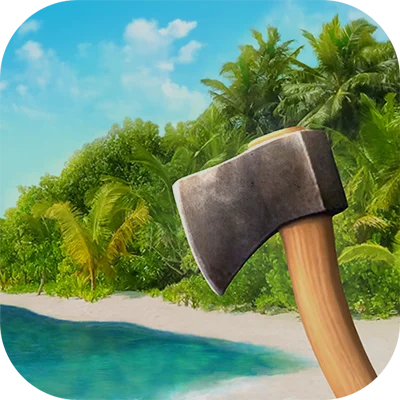
Imagine waking up stranded on a deserted island with nothing but your wits and determination to survive. Ocean Is Home delivers exactly this thrilling survival adventure, challenging over 10 million players worldwide to build, craft, and endure the harsh realities of island life. This comprehensive guide will transform you from a castaway into a master survivor, covering everything from essential survival strategies to advanced building techniques.
Table of Contents
What Is Ocean Is Home? Understanding the Survival Phenomenon
Ocean Is Home is an immersive survival simulation game developed by RAVEDOG GAMES that drops you onto a vast desert island where your primary objective is simple yet challenging: survive. With a solid 4.3-star rating from over 340,000 reviews on Google Play, this action-adventure title has captivated millions with its realistic survival mechanics and open-world exploration.
The game combines resource gathering, crafting systems, building mechanics, and wildlife interaction into a cohesive survival experience. Unlike linear survival games, Ocean Is Home provides complete freedom to explore a massive island environment, establish your base wherever you choose, and develop your character’s skills across multiple progression paths.
Core Features That Define the Experience
| Feature | Description | Gameplay Impact |
|---|---|---|
| Open World Exploration | Massive island with diverse biomes | Unrestricted freedom and discovery |
| Building System | Construct shelters and structures | Protection and progression |
| Crafting Mechanics | Create tools, weapons, and items | Survival capability expansion |
| Skill Development | Advanced character progression | Enhanced abilities and efficiency |
| Vehicle System | Various transportation options | Faster island traversal |
| Offline Gameplay | No internet required | Play anywhere, anytime |
| Companion System | Rottweiler companion | Assistance and companionship |
Getting Started: Your First 24 Hours on the Island
Surviving your initial day in Ocean Is Home sets the foundation for long-term success. The game doesn’t hold your hand, which creates both challenge and satisfaction as you learn through experience.
Immediate Priorities for New Survivors
Hour 1-2: Resource Gathering Basics
Your first actions determine survival chances. Start by gathering these essential resources:
- Wood: Punch trees or use basic tools to collect logs needed for almost every craft
- Stone: Mine rocks scattered across the island for construction materials
- Food: Search bushes for berries while exploring; hunger drains quickly
- Water: Locate water sources immediately; dehydration is your first major threat
Hour 3-6: Crafting Your First Tools
With basic resources collected, access your crafting menu to create fundamental tools:
- Stone Axe: Dramatically increases wood gathering speed
- Stone Pickaxe: Essential for efficient stone mining
- Basic Campfire: Allows cooking meat from hunting
- Water Container: Store drinkable water for emergencies
Hour 7-12: Establishing Your First Shelter
Before nightfall, construct basic protection. Your first shelter doesn’t need sophistication—focus on four walls and a roof. This provides:
- Safety from potential threats
- Storage for gathered resources
- Respawn point if disasters occur
- Foundation for future expansion
Hour 13-24: Food Security and Exploration
With shelter established, focus on sustainable food sources. Hunt smaller animals using crafted weapons, cook meat at your campfire, and begin mapping the island’s geography to locate resource-rich areas.
Mastering the Crafting System: From Primitive to Advanced
The crafting system in Ocean Is Home features extensive depth, progressing from primitive survival tools to advanced technology. Understanding this progression accelerates your island dominance.
Crafting Tier Progression
Tier 1 – Primitive Survival (Days 1-3)
- Stone tools and weapons
- Basic shelter components
- Simple campfire cooking
- Crude storage containers
- Animal hide clothing
Tier 2 – Established Base (Days 4-10)
- Iron tools with improved efficiency
- Expanded housing structures
- Water purification systems
- Agricultural plots for farming
- Improved weapons for hunting
Tier 3 – Advanced Technology (Days 11-20)
- Metal crafting stations
- Electricity generation
- Vehicle construction and repair
- Advanced weaponry
- Automated farming systems
Tier 4 – Island Mastery (Days 20+)
- High-tech equipment
- Multiple base locations
- Complete self-sufficiency
- Exploration vehicles
- Defensive structures
Essential Crafting Recipes Every Survivor Needs
Here are the most critical recipes to prioritize:
Survival Essentials:
- Campfire: 10 Wood, 5 Stone
- Stone Axe: 5 Wood, 10 Stone
- Water Purifier: 15 Metal, 10 Stone
- Basic Shelter: 50 Wood, 30 Stone
Food Production:
- Farming Plot: 20 Wood, 15 Dirt
- Fishing Rod: 15 Wood, 5 Fiber
- Cooking Station: 25 Wood, 20 Stone
- Food Storage: 30 Wood, 10 Metal
Protection and Tools:
- Spear: 10 Wood, 5 Stone, 3 Fiber
- Bow and Arrows: 20 Wood, 10 Fiber
- Metal Tools: 15 Metal, 10 Wood
- Armor Set: 30 Leather, 20 Metal
Players who enjoy deep crafting systems might also appreciate Survivalcraft, which offers similarly complex resource management and construction mechanics in a blocky survival world.
Building Your Dream Island Base: Design and Functionality
Base building transforms from survival necessity to creative expression as you master Ocean Is Home. Strategic location selection and efficient design separate struggling survivors from thriving island inhabitants.
Choosing the Perfect Base Location
Coastal Positions:
- Advantages: Easy fishing access, scenic views, water proximity
- Disadvantages: Limited expansion space, potential flooding concerns
- Best For: Players prioritizing seafood and water-based resources
Inland Forest Areas:
- Advantages: Abundant wood resources, wildlife hunting, concealment
- Disadvantages: Longer water access, more wildlife threats
- Best For: Players focusing on crafting and construction
Mountain/Hill Locations:
- Advantages: Defensive positioning, panoramic views, stone abundance
- Disadvantages: Difficult access, limited flat building space
- Best For: Advanced players creating fortress-style bases
Plains Regions:
- Advantages: Maximum building space, easy navigation, farming potential
- Disadvantages: Exposed position, fewer natural resources nearby
- Best For: Agricultural-focused survivors
Efficient Base Layout Strategies
Organize your base into functional zones for maximum efficiency:
Storage Zone: Centralized area with multiple storage containers organized by resource type (wood, stone, food, crafted items, equipment)
Crafting Zone: Cluster all crafting stations together to minimize movement while producing items
Living Quarters: Comfortable area with bed, storage for personal items, and decorative elements
Agricultural Zone: Organized farming plots, animal pens, and food processing area
Workshop Zone: Vehicle maintenance, advanced crafting, and equipment upgrades
Defense Perimeter: Walls, barriers, or natural obstacles creating protective boundary
Skill Development: Becoming a Master Survivor
The advanced skill system in Ocean Is Home enables character specialization and progression. Strategic skill investment dramatically impacts survival efficiency and capabilities.
Core Skill Categories
Gathering Skills:
- Woodcutting: Increases wood yield and gathering speed
- Mining: Improves stone/ore collection efficiency
- Foraging: Better food finding and identification
- Fishing: Enhanced catch rates and fish quality
Combat Skills:
- Melee Combat: Increased damage with close-range weapons
- Ranged Combat: Improved accuracy and arrow damage
- Defense: Reduced incoming damage from threats
- Hunting: Better animal tracking and kill efficiency
Survival Skills:
- Cooking: Enhanced food value and new recipes
- Crafting: Reduced resource costs and faster production
- Building: Stronger structures and new construction options
- Stamina: Longer activity duration before exhaustion
Technical Skills:
- Mechanics: Vehicle repair and maintenance efficiency
- Engineering: Advanced structure construction
- Farming: Improved crop yields and growth speed
- Electricity: Power generation and distribution systems
Optimal Skill Progression Path
Phase 1 (Beginner – Days 1-5): Focus exclusively on gathering skills (Woodcutting, Mining, Foraging) to establish resource foundation. Without efficient gathering, all other progression stalls.
Phase 2 (Intermediate – Days 6-15): Balance investment between Crafting, Building, and Cooking skills. These enable base establishment and sustainable food production.
Phase 3 (Advanced – Days 16-30): Specialize based on preferred playstyle. Combat-focused players invest in weapon skills; builders prioritize Engineering and Mechanics.
Phase 4 (Master – Days 30+): Round out all skill categories for complete self-sufficiency and maximum flexibility in approaching challenges.
Transportation and Exploration: Conquering the Island
The vehicle system in Ocean Is Home revolutionizes exploration, transforming tedious walks into efficient traversal. Multiple vehicle types serve different purposes and require varying resources.
Available Vehicle Types
Land Vehicles:
- Basic Cart: Slow but cheap, perfect for local resource transport
- Motorcycle: Fast personal transport with minimal cargo capacity
- ATV/Quad: Balanced speed and terrain handling for exploration
- Truck: Maximum cargo capacity for large resource hauls
- Car: Standard vehicle for general purpose travel
Water Vehicles:
- Raft: Primitive water crossing for early game
- Motorboat: Fast water transport for offshore exploration
- Fishing Boat: Specialized for seafood harvesting
Vehicle Acquisition and Maintenance
Finding Vehicles: Explore the island thoroughly to discover abandoned vehicles. Most require significant repairs before becoming functional. Check:
- Abandoned settlements and camps
- Coastal areas and harbors
- Forest roads and trails
- Hidden valleys and clearings
Repair Requirements: Each vehicle needs specific components and resources:
- Metal parts for engine repair
- Rubber/materials for tire replacement
- Fuel systems requiring specific items
- Electrical components for modern vehicles
Ongoing Maintenance: Vehicles deteriorate through use, requiring periodic maintenance. Keep spare parts in storage and establish a dedicated workshop for vehicle service.
For players who enjoy survival games with vehicle mechanics, Last Day on Earth provides similar transportation systems combined with zombie survival elements and base-building gameplay.
Wildlife and Hunting: From Prey to Predator
The island ecosystem in Ocean Is Home features diverse wildlife serving as both resources and threats. Mastering hunting mechanics ensures consistent food supply while developing combat skills.
Island Wildlife Categories
Passive Animals (Food Sources):
- Deer: Abundant meat and leather, relatively easy hunting
- Rabbits: Fast but small, good for early game food
- Boars: Aggressive when threatened but valuable resources
- Fish: Various species in coastal and freshwater areas
- Birds: Challenging targets requiring ranged weapons
Neutral Animals:
- Wolves: Dangerous in packs, avoid until well-equipped
- Bears: Extremely dangerous, high reward for skilled hunters
- Wild Dogs: Medium threat, hunt in groups
Your Companion: The Rottweiler companion provides assistance and companionship. While interaction options are currently limited, this loyal friend follows your adventures and offers protection against threats.
Hunting Strategies and Techniques
Early Game Hunting (Basic Weapons):
- Target passive animals exclusively
- Use stealth approach to minimize chase
- Craft multiple simple weapons as backup
- Process meat immediately at campfire
- Store excess in proper containers
Mid Game Hunting (Improved Equipment):
- Craft bow and arrows for ranged efficiency
- Begin targeting more dangerous animals
- Establish dedicated hunting areas
- Create meat processing station
- Develop leather crafting for equipment
Late Game Hunting (Advanced Tactics):
- Use high-powered ranged weapons
- Hunt dangerous predators safely
- Establish hunting blinds and traps
- Mass process resources efficiently
- Focus on rare animals for special materials
Farming and Self-Sufficiency: Building Food Security
Transitioning from hunting/gathering to agricultural production marks a critical survival milestone in Ocean Is Home. Farming provides reliable food sources independent of wildlife availability.
Establishing Your First Farm
Step 1: Location Selection Choose flat terrain near your main base with easy water access. Proximity to living quarters reduces travel time for daily maintenance.
Step 2: Plot Construction Craft multiple farming plots using wood and dirt. Start with 4-6 plots to establish basic production before expanding.
Step 3: Seed Acquisition Seeds come from:
- Foraging wild plants
- Trading if NPCs exist
- Breaking down harvested crops
- Finding abandoned farms
Step 4: Growth Management Plants require:
- Regular watering (daily)
- Time to mature (varies by crop)
- Protection from wildlife
- Harvesting at peak ripeness
Step 5: Expansion and Optimization As skills improve, expand operations with:
- Irrigation systems for automated watering
- Protective fencing against animals
- Multiple crop varieties for diversity
- Composting systems for efficiency
Crop Selection and Rotation
Different crops offer varying benefits:
Fast-Growing Crops:
- Lettuce/Vegetables: Quick harvest, low nutrition
- Berries: Moderate growth, good early game
- Herbs: Special crafting ingredients
Staple Crops:
- Wheat/Grain: Bread production, long-lasting storage
- Potatoes: High nutrition, reliable growth
- Corn: Versatile uses, good yield
Special Crops:
- Medicinal Plants: Health restoration items
- Fiber Plants: Crafting material production
- Luxury Foods: Morale/special benefits
Advanced Survival: Electricity and Technology
Reaching the technology phase separates casual players from dedicated survivors. Ocean Is Home includes electricity generation and advanced systems that dramatically improve quality of life.
Power Generation Systems
Basic Electricity Setup:
- Craft generator using advanced materials
- Connect to fuel source (requires ongoing supply)
- Wire essential structures first
- Expand network as resources allow
Power Applications:
- Lighting: Illuminate base during night
- Refrigeration: Extended food storage
- Automated Systems: Reduce manual labor
- Advanced Crafting: Unlock high-tier recipes
- Security: Powered defensive systems
Resource Management: Electricity requires fuel investment. Balance power consumption against fuel availability. Prioritize essential systems before luxury applications.
Automation and Efficiency
Technology enables semi-automation of survival tasks:
Automated Water System:
- Electric pumps eliminate manual collection
- Purification systems provide clean water
- Storage tanks ensure constant supply
Powered Crafting Stations:
- Faster production speeds
- Access to advanced recipes
- Batch crafting capabilities
Farming Automation:
- Irrigation timers
- Automated harvesting systems (if available)
- Processing automation
Survival Challenges and Solutions
Even experienced survivors encounter obstacles in Ocean Is Home. Understanding common challenges and their solutions improves survival consistency.
Resource Scarcity Problems
Challenge: Running out of critical resources like metal or rare materials
Solutions:
- Map resource node locations systematically
- Establish storage caches near rich areas
- Prioritize skill upgrades improving yields
- Balance consumption with gathering rates
- Explore further for undiscovered resources
Food and Water Management
Challenge: Maintaining consistent nutrition and hydration
Solutions:
- Build redundant food production systems
- Create large water storage capacity
- Develop diverse food sources (hunting, farming, fishing)
- Always carry emergency rations when exploring
- Upgrade cooking skills for better food value
Combat and Danger
Challenge: Wildlife attacks or dangerous encounters
Solutions:
- Never venture unprepared into unknown areas
- Maintain weapon durability through repairs
- Learn enemy behavior patterns
- Create defensive positions at base
- Upgrade combat skills systematically
Technical Issues
Challenge: Game performance or bug encounters
Solutions:
- Regularly save progress manually if possible
- Close background applications for performance
- Update to latest game version
- Report persistent bugs to developers
- Restart game if experiencing major issues
Players seeking similar survival challenges with combat elements might enjoy Radiation Island, which combines survival mechanics with mystery-solving and intense combat scenarios.
Optimization Tips for Maximum Efficiency
Mastering Ocean Is Home requires more than basic survival—it demands optimization and strategic resource allocation.
Time Management Strategies
Daily Routine Structure:
- Morning: Check farms, collect resources
- Midday: Crafting and construction projects
- Afternoon: Exploration and hunting
- Evening: Resource processing and preparation
- Night: Safe activities near base or rest
Activity Prioritization:
- Essential maintenance (food, water, repairs) always first
- Progression tasks (skills, building) during prime time
- Optional activities (exploration, experimentation) when comfortable
- Emergency responses immediately regardless of schedule
Resource Efficiency Techniques
Gathering Optimization:
- Use highest-tier tools available
- Target resource-rich areas
- Combine gathering trips with exploration
- Upgrade carrying capacity through skills
- Establish field storage near distant resources
Crafting Efficiency:
- Batch similar items together
- Minimize wasted materials through planning
- Upgrade crafting stations for bonuses
- Learn all available recipes
- Keep common crafting materials stocked
Storage Organization: Implement systematic storage methods:
- Color-code or label containers by content
- Create dedicated storage buildings
- Maintain separate storage for different categories
- Keep emergency supplies in multiple locations
- Regular inventory management prevents clutter
Multiplayer Considerations and Community
While Ocean Is Home primarily focuses on single-player survival, understanding the community enhances your experience through shared knowledge and strategies.
Community Resources
Social Media Channels: The game maintains active presence on:
- Facebook: Official updates and community interaction
- Instagram: Visual content and gameplay highlights
- Twitter: News and announcements
- Email Support: Direct developer communication
Player Communities: Join discussion groups to:
- Share survival strategies and base designs
- Learn from experienced survivors
- Report bugs and suggest features
- Find inspiration for creative projects
- Celebrate survival milestones
User Reviews and Feedback
The game’s 4.3-star rating reflects mixed experiences. Common praise includes beautiful graphics, relaxing gameplay pace, and generous free-to-play model. Constructive feedback often mentions desires for enhanced animal behavior, increased texture variety, and more interactive companion features.
The developers actively respond to feedback, regularly implementing improvements based on community suggestions. This responsive development approach creates positive relationships between creators and players.
Comparing Ocean Is Home to Similar Titles
Understanding how Ocean Is Home fits within the survival game genre helps set realistic expectations and identify if it matches your preferences.
Genre Comparisons
vs. Don’t Starve:
- Ocean Is Home offers 3D graphics vs. Don’t Starve’s 2D aesthetic
- More realistic survival vs. fantasy elements
- Simpler crafting system vs. complex recipes
- Less punishing death mechanics
Similar to the challenging nature of Don’t Starve: Pocket Edition, Ocean Is Home demands careful resource management, though with a more forgiving approach that welcomes newcomers to the survival genre.
vs. Last Day on Earth:
- Focus on nature survival vs. zombie apocalypse
- Peaceful exploration vs. constant combat threats
- Offline capabilities vs. online requirements
- Slower pace vs. action-oriented gameplay
vs. Ark: Survival Evolved:
- Simpler graphics and mechanics vs. high-end complexity
- Mobile-optimized vs. console/PC primary platform
- Solo experience vs. multiplayer focus
- Immediate accessibility vs. steep learning curve
Unique Selling Points
What sets Ocean Is Home apart:
- Complete Offline Functionality: Play anywhere without connectivity
- Generous Free-to-Play: No aggressive monetization or paywalls
- Relaxed Pacing: Less stressful than many survival games
- Large Open World: Extensive exploration opportunities
- Multi-Platform Availability: Play on Android or Windows
Monetization and In-App Purchases
Ocean Is Home employs player-friendly monetization that respects your time and choice.
Free-to-Play Experience
The base game provides complete access to all content without mandatory purchases. Patient players can experience everything through normal progression. This approach has earned praise from users who appreciate non-aggressive monetization.
Optional Purchases
Available purchases accelerate progress rather than unlock exclusive content:
Resource Packs: Skip grinding by purchasing materials Time Skips: Speed up construction or crafting processes Cosmetic Items: Customize appearance without gameplay impact Ad Removal: Eliminate advertisements for uninterrupted experience
Balancing Free and Paid Content
For players deciding whether to spend:
When Free Play Works Best:
- Enjoying the journey without rushing
- Limited budget for mobile games
- Satisfaction from earned progression
- Plenty of available playtime
When Purchases Make Sense:
- Limited gaming time but strong interest
- Supporting developers you appreciate
- Removing advertisements for immersion
- Specific resource bottlenecks frustrating progress
Games like Terraria demonstrate similar respect for player investment, offering vast content for a single purchase without aggressive monetization schemes.
Technical Performance and Requirements
Understanding technical aspects ensures optimal Ocean Is Home experience across various devices.
System Requirements
Minimum Specifications:
- Android 5.0 or higher
- 2GB RAM recommended
- 500MB storage space
- Moderate processor capability
Optimal Performance:
- Android 8.0 or newer
- 4GB+ RAM
- 1GB+ free storage
- Mid-range or better processor
Performance Optimization
If experiencing issues:
Graphics Settings:
- Reduce visual quality in game options
- Lower render distance for better framerates
- Disable unnecessary visual effects
- Adjust resolution if available
Device Optimization:
- Close background applications before playing
- Clear device cache regularly
- Ensure adequate free storage space
- Update to latest game version
- Restart device periodically
Gameplay Adjustments:
- Save frequently to prevent progress loss
- Avoid overbuilding in single areas
- Manage in-game entity counts
- Limit particle effects when possible
Future Updates and Development Roadmap
RAVEDOG GAMES maintains active development, regularly releasing updates that improve gameplay and add features.
Recent Improvements (2025)
The October 2025 update included:
- Bug fixes addressing player-reported issues
- Performance optimizations for various devices
- Quality of life improvements
- Enhanced gameplay aspects based on feedback
Community-Requested Features
Popular suggestions from players include:
Gameplay Enhancements:
- More realistic animal movement and behavior
- Expanded food variety and cooking options
- Additional vehicle types and options
- Armored or military vehicles for advanced play
- Enhanced companion interactions (petting, tricks, commands)
Visual Improvements:
- Improved model quality and textures
- Dynamic seasonal changes
- Weather system implementation
- Better lighting and atmospheric effects
- Increased biome diversity
Content Additions:
- Cave systems and underground exploration
- Rivers and natural water features
- More structure types and ruins
- NPC characters for interaction
- Quest or objective systems
Development Communication
The developers actively engage with players through:
- Social media updates and announcements
- Email support for individual issues
- Community feedback integration
- Regular update schedule
- Responsive bug fixing
Conclusion: Your Island Adventure Awaits
Ocean Is Home delivers an accessible yet deep survival experience that respects both casual players and hardcore survival enthusiasts. The combination of open-world freedom, comprehensive crafting systems, and generous free-to-play model creates compelling gameplay that has captivated over 10 million players worldwide.
Whether you’re building elaborate bases, mastering hunting techniques, developing advanced technology, or simply enjoying peaceful island life, the game provides tools and freedom to play your way. The lack of mandatory internet connectivity ensures you can survive anywhere, making it perfect for commutes, travel, or areas with limited connectivity.
While the game continues evolving through regular updates and community feedback, its current state offers dozens of hours of engaging survival gameplay. The learning curve welcomes newcomers while maintaining depth that rewards dedicated survivors seeking mastery.
Download Ocean Is Home today and begin your desert island adventure. Will you merely survive, or will you thrive and conquer every challenge the island presents? Your survival story begins now.
Frequently Asked Questions About Ocean Is Home
Q: Can I play Ocean Is Home without internet connection?
Yes, Ocean Is Home features complete offline functionality. You can enjoy all gameplay aspects without WiFi or mobile data, making it perfect for situations with limited connectivity like flights, commutes, or areas without internet access. The offline mode provides the full survival experience without any restrictions.
Q: How long does it take to complete Ocean Is Home?
Ocean Is Home doesn’t have a traditional completion mechanic—it’s an open-ended survival sandbox. Most players spend 30-50 hours reaching advanced technology and self-sufficiency, but the game continues indefinitely beyond this. You can set personal goals like building elaborate bases, mastering all skills, exploring the entire island, or maintaining maximum efficiency. The experience lasts as long as you find enjoyment in island survival.
Q: Is Ocean Is Home pay-to-win or can I play completely free?
Ocean Is Home is genuinely free-to-play without paywalls. All content, features, and progression are accessible without spending money. Optional purchases only accelerate progress or remove advertisements—they don’t unlock exclusive gameplay content. Many players have completed extensive playthroughs without any purchases, and the game respects your time without aggressive monetization tactics.
Q: What should I prioritize in my first few days?
Your initial priorities should be: (1) gathering wood and stone for basic tools, (2) locating reliable water sources, (3) building a simple shelter before nightfall, (4) establishing food sources through hunting or foraging, and (5) beginning skill development in gathering abilities. Once these foundations are solid, you can explore, expand your base, and pursue advanced crafting at your own pace.
Q: How do I find and repair vehicles in Ocean Is Home?
Vehicles are discovered by exploring the island thoroughly—check abandoned settlements, coastal areas, forest roads, and hidden valleys. Once found, vehicles typically require significant repairs using metal parts, rubber materials, fuel system components, and electrical items. Establish a dedicated workshop area at your base for vehicle maintenance, and keep spare parts in storage since vehicles deteriorate through regular use and need ongoing upkeep.
📥 Download Ocean Is Home MOD APK Latest Version (Premium Unlocked)
Note: This version is safe. You can scan it yourself via VirusTotal.