Flame Keeper APK: Ignite Your Action-Adventure Gaming Experience on Android
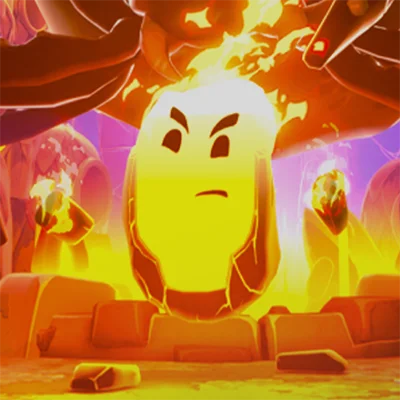
If you’re craving an action-packed adventure that combines roguelite elements with charming visuals and strategic combat, Flame Keeper might just be the spark you need. This unique indie gem from Untold Tales transforms you into Ignis, a brave piece of coal with a fiery mission—to restore the Eternal Flame and save the world of Orbis from encroaching darkness. Flame Keeper offers a refreshing twist on the action-adventure genre with its innovative health-as-resource mechanic and village-building progression system.
Table of Contents
In a mobile gaming landscape saturated with free-to-play titles loaded with microtransactions, Flame Keeper stands out as a premium experience that respects your time and wallet. With no ads, no in-app purchases, and a complete gameplay experience from day one, this charcoal champion’s journey delivers hours of engaging content wrapped in a delightfully cozy art style that belies its challenging combat.
What Makes Flame Keeper Burn Bright?
An Innovative Twist on Resource Management
The most distinctive feature of Flame Keeper is its dual-purpose energy system that simultaneously serves as your health and your objective currency. This brilliant mechanic creates a constant strategic tension: the energy you collect from defeating enemies and exploring environments keeps Ignis alive, but you also need to deposit this very same energy into Fire Camps scattered throughout each level to progress.
This creates fascinating risk-reward scenarios at every turn. Do you push deeper into dangerous territory to collect more energy, risking your survival? Or do you play it safe and return to deposit what you’ve gathered? This balance between exploration and preservation distinguishes Flame Keeper from traditional action games where health and objectives remain separate concerns.
Key Energy Management Strategies:
| Strategy | Best For | Risk Level |
|---|---|---|
| Aggressive Collecting | Skilled players, speedrunners | High |
| Conservative Deposits | Beginners, first-time explorers | Low |
| Balanced Approach | Most playstyles | Medium |
| Hit-and-Run Tactics | Boss encounters | Variable |
Understanding when to collect and when to deposit becomes crucial to mastering the game’s flow, creating a strategic layer that extends beyond simple combat prowess.
Combat That Packs a Punch
Flame Keeper delivers satisfying combat through a surprisingly deep system of moves and attacks. As Ignis, you’ll master various combat techniques:
Basic Combat Arsenal:
- Punch Combos: String together melee attacks for devastating damage chains
- Fiery Dashes: Quick mobility tool that doubles as an offensive strike
- AoE Stomps: Wide-area ground pounds perfect for crowd control
- Powerful Finishers: Decisive blows that eliminate weakened enemies
- Stamina-Based Actions: Strategic resource management during fights
The combat system rewards tactical thinking over button-mashing. Each enemy type requires different approaches, and the stamina system prevents mindless aggression. You’ll need to read enemy patterns, manage your stamina carefully, and choose the right attacks for each situation.
The satisfying “thwack” of connecting punches combined with the visual feedback of fiery effects makes every encounter feel impactful. Boss battles escalate this satisfaction, presenting multi-phase challenges that test your mastery of all combat mechanics simultaneously.
For players who enjoy action games with strategic depth and satisfying combat mechanics, Towaga: Among Shadows offers a similar blend of arcade action and tactical gameplay. While Towaga focuses on wave-based defense, both games reward pattern recognition and precise execution.
Progressive Biomes and Enemy Variety
Exploring the World of Orbis
Flame Keeper structures its gameplay across distinct biomes, each introducing unique environmental challenges, enemy types, and visual aesthetics. As you progress through increasingly hostile worlds, the difficulty scales appropriately while introducing new mechanics and obstacles.
Biome Characteristics:
Each area feels distinct not just visually but mechanically. Early biomes teach fundamental concepts—enemy patterns, energy collection, Fire Camp mechanics—while later zones demand mastery of advanced techniques. Environmental hazards complement enemy threats, requiring constant awareness of both immediate dangers and surrounding terrain.
The procedural generation ensures that while biome themes remain consistent, specific room layouts and enemy placements vary between runs. This roguelite element keeps the experience fresh across multiple playthroughs while maintaining fair, learnable challenges.
The Bestiary System
One of Flame Keeper‘s most helpful features is its comprehensive Bestiary. As you encounter and defeat different enemy types, you unlock detailed information about their behaviors, attack patterns, strengths, and weaknesses.
Bestiary Benefits:
- Learn enemy attack telegraphs and timing windows
- Identify elemental weaknesses and resistances
- Understand which combat approaches work best
- Track which enemies you’ve fully mastered
- Plan strategies before entering challenging areas
This knowledge-gathering system rewards careful observation and experimentation. The first encounter with a new enemy type might be challenging, but subsequent meetings become increasingly manageable as you learn their tricks and exploit their weaknesses.
The Bestiary transforms Flame Keeper from a pure action game into an action-strategy hybrid where knowledge equals power. Smart players consult their Bestiary before tackling difficult areas, planning their approach based on expected enemy compositions.
Character Progression and Build Diversity
The Skill System
Flame Keeper features a robust progression system that allows extensive character customization. Defeated enemies drop seeds—the currency for learning new skills and abilities. This creates an interesting decision tree where you must choose which abilities to prioritize based on your preferred playstyle.
Skill Categories:
Offensive Skills:
- Enhanced punch combos with additional hits
- Improved dash damage and range
- Stronger stomp attacks with larger radius
- Critical hit chance increases
- Elemental damage additions
Defensive Skills:
- Increased stamina pool and regeneration
- Damage reduction from specific attack types
- Dodge invincibility frame extensions
- Shield abilities for emergency protection
Utility Skills:
- Faster movement speed for exploration
- Improved energy collection radius
- Enhanced Fire Camp charging efficiency
- Better seed drop rates from enemies
The skill system encourages experimentation. Your first playthrough might focus on pure offense, your second on defensive sustainability, and your third on hybrid builds that balance multiple approaches.
Runes and Passive Abilities
Beyond active skills, Flame Keeper offers passive abilities unlocked through rune collection. These permanent buffs require completing specific tasks or challenges, adding objective-based gameplay beyond simple enemy elimination.
Rune Unlock Methods:
- Defeat X number of specific enemy types
- Complete biomes without taking damage
- Collect certain amounts of energy in single runs
- Discover hidden areas and secrets
- Achieve perfect Fire Camp charges
Passive abilities might seem subtle—small percentage increases to damage, health, or collection range—but they compound significantly. A fully upgraded Ignis becomes dramatically more powerful than a starting character, creating a tangible sense of progression across multiple runs.
This dual progression system (active skills and passive runes) ensures that even failed runs contribute to long-term growth. You’re always working toward something, whether unlocking new abilities or completing challenges for permanent buffs.
Similar to how Neon Chrome implements persistent upgrades between runs, Flame Keeper ensures that each attempt makes you stronger. Both games understand that roguelite progression works best when players feel consistent advancement despite individual run failures.
Vulpis Village: Your Home Base
Village Building and Upgrades
One of Flame Keeper‘s most charming features is Vulpis Village, your starting hub that evolves alongside your progress. The friendly Vulpis NPCs provide various services that expand as you invest resources into village development.
Village Features:
Rest Area: Heal between runs and prepare for your next adventure. As you upgrade this facility, you gain access to better starting buffs and preparation options.
Ability Enhancement Station: Improve your existing skills beyond their base levels. Higher village levels unlock more powerful enhancement tiers.
Structure Building: Construct new facilities using resources collected during runs. Each building provides unique benefits—some unlock new skill trees, others offer passive bonuses or quality-of-life improvements.
Crafting Workshops: Create consumable items for your runs, providing temporary advantages like damage boosts, defense buffs, or emergency healing.
The village progression creates a satisfying gameplay loop: venture into dangerous biomes, collect resources and energy, return to upgrade your village, then tackle more challenging content with your improved facilities. This structure provides clear short-term goals (next village upgrade) and long-term objectives (fully developed settlement).
Dynamic Village Changes
What makes Vulpis Village particularly special is how it visually transforms as you progress. Buildings you construct actually appear in the village, NPCs move around and interact with new structures, and the overall atmosphere shifts from a simple campsite to a thriving community.
This visual feedback for progression creates emotional investment beyond mechanical benefits. You’re not just upgrading stats—you’re rebuilding a community, restoring hope to the Vulpis, and creating a tangible monument to your efforts.
The village also serves as your story hub. NPCs provide context about the world, the darkness threatening Orbis, and Ignis’s role in restoration efforts. While Flame Keeper doesn’t focus heavily on narrative, these interactions add personality and motivation beyond “fight things to get stronger.”
Visual Design and Atmosphere
Charming Art Direction
Flame Keeper embraces a cozy, hand-drawn art style that contrasts beautifully with its challenging gameplay. Ignis himself is adorably designed—a determined piece of coal with expressive animations that convey personality despite limited features.
Visual Highlights:
- Vibrant color palettes for each biome
- Smooth character animations with personality
- Expressive enemy designs that telegraph attacks clearly
- Gorgeous particle effects for combat abilities
- Atmospheric lighting that enhances mood
The art style proves that games don’t need photorealistic graphics to create compelling visual experiences. The charming aesthetic makes Flame Keeper immediately approachable while the gameplay depth ensures it’s not just style over substance.
Environmental design deserves particular praise. Each biome feels distinct through clever use of color schemes, architectural styles, and ambient details. You always know where you are based purely on visual cues, important for navigation and strategic planning.
Performance and Optimization
On the technical front, Flame Keeper runs smoothly on Android devices, maintaining consistent frame rates even during chaotic combat encounters with multiple enemies and effects on screen. The controls translate well to touchscreens, with responsive virtual buttons and intuitive gesture options.
Technical Specifications:
- Smooth 60fps gameplay on most modern devices
- Responsive touch controls with customizable layouts
- Modest storage requirements
- Battery-efficient for extended play sessions
- Supports various screen sizes and aspect ratios
The developers clearly prioritized optimization, ensuring that the game feels as good to play as it looks. Responsive controls prove crucial for an action game where split-second timing determines success or failure.
Players seeking more action-roguelite experiences with great mobile optimization should explore Dungeon Defense, which similarly combines strategic gameplay with smooth performance. Both titles demonstrate how premium mobile games can deliver console-quality experiences on smartphones.
Strategic Depth and Replayability
The Health-as-Resource Balancing Act
The core innovation of Flame Keeper—using health as your objective resource—creates interesting strategic considerations that evolve as you master the game:
Early Game Strategy: New players typically play conservatively, frequently depositing energy at Fire Camps to avoid losing progress. This cautious approach works but extends run times significantly.
Mid-Game Development: As you learn enemy patterns and upgrade Ignis’s abilities, you can hold more energy confidently, making larger deposits and completing biomes faster.
Advanced Optimization: Experienced players push into dangerous territory with minimal health, maximizing collection efficiency and completing runs in record time. This high-risk, high-reward approach becomes viable only through deep mechanical mastery.
This progression arc—from cautious beginner to confident speedrunner—provides inherent replayability beyond simple difficulty scaling. Your first successful run and your fiftieth feel dramatically different as your confidence and skill grow.
Build Experimentation
With numerous skills, passive abilities, and village upgrades available, Flame Keeper encourages experimentation with different builds:
Aggressive Bruiser Build:
- Focus on enhanced punch combos and critical hits
- Prioritize offensive skills over defensive options
- Quick, risky playstyle with high damage output
- Best for experienced players comfortable with enemy patterns
Tanky Collector Build:
- Maximize health and damage reduction
- Improve energy collection efficiency
- Sustainable exploration of entire biomes
- Ideal for completionists seeking 100% clears
Mobile Striker Build:
- Enhanced dash abilities and movement speed
- Hit-and-run tactics with quick escapes
- Excellent for boss battles requiring positioning
- Rewards precise timing and spatial awareness
Balanced Hybrid:
- Mix offensive and defensive abilities
- Adaptable to various situations
- Most forgiving for learning new content
- Strong all-around performance
The variety of viable builds ensures that no two players’ experiences feel identical. Some prefer aggressive rushdown, others defensive sustainability, and many discover hybrid approaches that suit their unique playstyles.
Difficulty and Learning Curve
Accessibility Considerations
Flame Keeper presents a moderate challenge that respects player skill while remaining approachable for genre newcomers. The early biomes introduce mechanics gradually, allowing time to master fundamentals before facing serious threats.
Difficulty Curve Characteristics:
The game doesn’t hold your hand excessively, but it also avoids the punishing difficulty some roguelites embrace. Failed runs feel like learning experiences rather than frustrating setbacks, largely because:
- Progressive Unlocks: Every run contributes to permanent progression
- Clear Feedback: You understand why you died and how to improve
- Fair Challenge: Difficulty comes from skill requirements, not cheap tricks
- Multiple Approaches: Different playstyles remain viable at all skill levels
Players frustrated by ultra-hard roguelites like some souls-like games will appreciate Flame Keeper‘s balanced approach. Challenge exists but doesn’t overshadow the joy of gradual mastery and character growth.
Mastery Satisfaction
For players seeking deeper challenges, Flame Keeper offers plenty of content beyond basic completion:
- Completing runs without taking damage
- Speed-running biomes for best times
- Perfect Fire Camp charges in single trips
- Collecting all runes and abilities
- Building optimal character configurations
- Discovering all secrets and hidden areas
This optional challenge content ensures that Flame Keeper remains engaging long after your first successful run. The satisfaction of finally completing a no-damage run or discovering a secret area hours into your playtime keeps the experience fresh.
Games like Pocket Rogues: Ultimate similarly balance accessibility with depth, providing approachable entry points while rewarding mastery. Both titles understand that the best roguelites offer progression for all skill levels.
Value Proposition and Monetization
Premium Pricing Model
At $4.99, Flame Keeper follows a traditional premium pricing model—pay once, own forever, no additional costs. In today’s mobile gaming landscape dominated by free-to-play mechanics, this upfront pricing deserves recognition:
What You Get:
- Complete game with all content unlocked
- Zero advertisements interrupting gameplay
- No energy systems limiting play time
- No gacha mechanics or loot boxes
- No pay-to-win advantages
- Regular updates and bug fixes included
Value Comparison:
| Aspect | Flame Keeper | Typical F2P Game |
|---|---|---|
| Cost | $4.99 one-time | “Free” + $$$$ potential |
| Ads | None | Frequent interruptions |
| Content | All included | Often paywalled |
| Grind | Reasonable progression | Often excessive |
| Pay to Win | N/A | Common |
The premium model respects players’ time and intelligence. You know exactly what you’re paying for, and the game focuses on being fun rather than extracting maximum revenue through psychological manipulation.
Content Volume and Playtime
For $4.99, Flame Keeper delivers substantial content:
- First Completion: 4-6 hours for average players
- Full Unlocks: 10-15 hours to discover all abilities and runes
- Complete Mastery: 20+ hours for 100% completion
- Ongoing Play: Indefinite replayability for roguelite enthusiasts
This compares favorably to a single movie ticket or a couple of premium coffee drinks, while providing significantly more entertainment hours. The roguelite structure ensures replay value extends well beyond initial completion.
Players appreciating premium games with honest pricing should also consider Crashlands, another excellent premium title that delivers complete experiences without nickel-and-diming players. Both games demonstrate how upfront pricing creates better player experiences.
Tips for New Flame Keepers
Getting Started Strong
Beginner’s Priority List:
- Master Basic Combat: Before worrying about optimal builds, learn fundamental attack patterns, dodging, and stamina management. Competent combat skills matter more than perfect character stats.
- Study the Bestiary: Don’t skip enemy information. Understanding attack patterns transforms difficult encounters into manageable challenges.
- Invest in Village Early: Initial village upgrades provide disproportionate returns. Prioritize basic facilities before pursuing advanced combat skills.
- Play Conservatively Initially: Frequent Fire Camp deposits might seem inefficient, but they prevent losing substantial progress to unexpected deaths while learning.
- Experiment with Skills: Don’t commit entirely to one build path immediately. Test different abilities to discover what matches your preferred playstyle.
Intermediate Optimization Tips
Once comfortable with basics, focus on efficiency:
- Route Planning: Learn optimal paths through biomes that maximize energy collection while minimizing danger
- Enemy Prioritization: Identify which threats to eliminate first based on attack patterns and danger levels
- Stamina Conservation: Save stamina for critical moments rather than exhausting it on every enemy
- Risk Assessment: Develop intuition for when to push deeper versus when to deposit and reset
- Build Synergies: Combine skills and passives that enhance each other rather than randomly selecting upgrades
Advanced Strategies
Master-level play involves sophisticated techniques:
- Perfect Timing: Learning exact invincibility frames and attack windows for flawless execution
- Energy Routing: Planning entire biome clears to maximize single-trip Fire Camp charges
- Build Optimization: Creating synergistic ability combinations for specific challenges
- Speed Tech: Discovering movement optimizations and sequence breaks for rapid completion
- Challenge Runs: Self-imposed restrictions like no-upgrade runs or pacifist challenges
The progression from beginner to expert feels natural and rewarding, with clear milestones marking your improvement along the way.
Community and Long-Term Support
Developer Commitment
Untold Tales demonstrates ongoing commitment to Flame Keeper through regular updates addressing bugs, improving performance, and occasionally adding quality-of-life features. While not a live-service game with constant content drops, the developers maintain the experience and respond to player feedback.
Recent Updates Include:
- Performance optimizations for various devices
- Bug fixes addressing gameplay issues
- Balance adjustments based on player data
- Improved touch control responsiveness
- Quality-of-life improvements to village interfaces
This support ensures that your $4.99 purchase remains playable and polished long-term, rather than becoming abandoned software shortly after release.
Player Community
While Flame Keeper lacks built-in multiplayer, an engaged community shares strategies, build guides, and challenge run videos across gaming forums and social media. This community-generated content extends the experience beyond solo play through:
- Strategy guides for optimal builds
- Speedrun competitions and leaderboards
- Challenge run documentation
- Lore discussions and theories
- Fan art celebrating Ignis and the Vulpis
Engaging with the community enhances appreciation for the game’s depth and provides fresh perspectives on mechanics you might have overlooked.
For players seeking more community-driven experiences with similar action-roguelite mechanics, Brotato: Premium offers another excellent premium option with active player discussions and strategy sharing. Both games benefit from engaged communities helping newcomers master their respective systems.
Final Verdict: Should You Keep This Flame?
Flame Keeper succeeds as a charming, mechanically interesting action-roguelite that stands out in the crowded mobile gaming marketplace. Its innovative health-as-resource system creates strategic depth rarely seen in mobile action games, while the village-building progression provides satisfying long-term goals beyond pure combat mastery.
Strengths:
- Unique energy management mechanic
- Satisfying, strategic combat system
- Charming visual design and atmosphere
- Robust progression with build variety
- Premium pricing without predatory monetization
- Smooth performance and responsive controls
- Substantial content for the price point
Considerations:
- Moderate difficulty might frustrate some players
- Limited narrative focus for story-driven gamers
- Touch controls work but benefit from practice
- Roguelite structure means repeated content
- No multiplayer or social features
Flame Keeper earns a strong recommendation for players who enjoy:
- Action games with strategic depth
- Roguelites with permanent progression
- Premium mobile games without IAPs
- Charming art styles with substance
- Build experimentation and optimization
If you appreciate well-crafted indie games that prioritize gameplay over graphics, value honest pricing models, and enjoy the “just one more run” appeal of roguelites, Flame Keeper deserves a spot in your mobile library.
Download Flame Keeper from Google Play and begin your journey as Ignis—the world of Orbis needs a hero, and that fiery champion could be you. Restore the Eternal Flame, rebuild Vulpis Village, and prove that even a humble piece of coal can burn bright enough to save the world.
Frequently Asked Questions
Q: Is Flame Keeper a one-time purchase or does it have microtransactions?
Flame Keeper follows a premium pricing model at $4.99 with absolutely no additional costs. You receive the complete game with all content, abilities, and features unlocked through gameplay rather than payments. There are zero in-app purchases, no advertisement interruptions, no energy systems limiting play time, and no premium currency mechanics. This makes it a refreshing alternative to free-to-play games that often cost significantly more through accumulated microtransactions. Your single $4.99 payment grants permanent access to everything Flame Keeper offers, including any future updates the developers release.
Q: How difficult is Flame Keeper compared to other roguelite games?
Flame Keeper strikes a balanced difficulty that sits comfortably in the middle of the roguelite spectrum. It’s more challenging than casual mobile games but significantly more forgiving than hardcore roguelites like Dead Cells or Hades on their harder difficulties. The early biomes introduce mechanics gradually, allowing newcomers to learn without overwhelming frustration. The permanent progression system (village upgrades, unlocked abilities, passive runes) ensures that even struggling players become stronger over time. Experienced roguelite players will find satisfying challenge in later biomes and optional objectives, while newcomers can progress at a comfortable pace by playing conservatively and investing in village upgrades early.
Q: What makes Flame Keeper’s health system unique compared to other action games?
Flame Keeper’s defining innovation is its dual-purpose energy system where the same resource functions as both your health and your objective currency. Energy you collect from defeating enemies and exploring keeps Ignis alive, but you also need to deposit this energy into Fire Camps to progress through levels. This creates constant strategic tension—do you risk pushing deeper with low health to collect more energy, or return safely to deposit what you’ve gathered? Traditional action games separate health and objectives completely, but Flame Keeper’s system forces meaningful decisions at every moment, transforming simple exploration into risk-reward calculations that dramatically impact your playstyle and strategy.
Q: How long does it take to complete Flame Keeper and unlock everything?
Your first successful playthrough of Flame Keeper typically takes 4-6 hours for average players, though this varies based on skill level and playstyle. Fully upgrading Vulpis Village, unlocking all skills and passive abilities, completing the Bestiary, and discovering all secrets extends playtime to 10-15 hours. Perfectionists pursuing 100% completion, challenge runs, and mastery of all content can extract 20+ hours of gameplay. The roguelite structure provides indefinite replayability for players who enjoy optimizing runs, experimenting with different builds, or pursuing speedrun challenges. For $4.99, this represents excellent value compared to the 90-minute runtime of a movie ticket at similar cost.
Q: Does Flame Keeper require an internet connection to play?
No, Flame Keeper functions completely offline after the initial download. You can play anywhere without WiFi or cellular data—perfect for commutes, flights, or areas with limited connectivity. The game stores all progress locally on your device, including village upgrades, unlocked abilities, and collected runes. There are no online features requiring internet connection, no cloud saves (progress stays on your device), and no authentication checks. This makes Flame Keeper ideal for gaming on-the-go without worrying about data usage or connection availability. Simply download once and enjoy unlimited offline access to the complete experience anytime, anywhere.
📥 Download Flame Keeper APK Latest Version (Premium Unlocked)
Note: This version is safe. You can scan it yourself via VirusTotal.