Card Thief MOD APK: Master the Art of Stealth in This Ingenious Card Game
Have you ever imagined what it would be like to blend the tension of stealth gameplay with the strategic depth of card-based mechanics? Card Thief brilliantly answers this question, delivering a unique gaming experience that transforms every heist into a calculated puzzle of shadows and strategy. Developed by Arnold Rauers of Tinytouchtales—the acclaimed creator behind Card Crawl—this innovative title has earned the prestigious Google Play Editors’ Choice badge and captivated over 1 million players worldwide with its masterful fusion of solitaire-style gameplay and classic stealth mechanics.
Table of Contents
In this comprehensive guide, we’ll explore everything that makes Card Thief an essential download for strategy enthusiasts, card game aficionados, and anyone seeking a genuinely original mobile gaming experience. From core mechanics to advanced techniques, we’ll uncover the secrets that separate amateur pickpockets from master thieves.
What Makes Card Thief a Unique Gaming Experience?
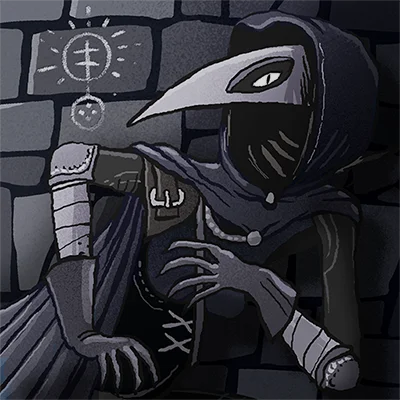
Card Thief stands apart in the crowded mobile gaming landscape by successfully condensing the essence of stealth games into an accessible yet deeply tactical card-based format. The premise is elegantly simple: you’re a thief navigating through decks of cards representing castle corridors, avoiding guards, extinguishing torches, and stealing treasures without detection.
What elevates this concept from novelty to brilliance is how authentically it captures stealth gameplay’s tension and strategic planning. Every move matters, every decision carries weight, and the satisfaction of completing a perfect heist rivals any traditional stealth game. The genius lies in translating complex stealth mechanics—line of sight, noise detection, shadow navigation—into intuitive card interactions that feel natural rather than gimmicky.
Core Features That Define the Experience
The game’s foundation rests on several pillars that work harmoniously together:
| Feature | Description |
|---|---|
| Solitaire-Style Gameplay | Navigate through card layouts like a puzzle board |
| 4 Unique Heists | Different castles with varied enemy types and obstacles |
| 12 Equipment Cards | Unlockable and upgradeable gear with unique abilities |
| Mini Deck Building | Select 3 equipment cards before each heist |
| Daily Heist | Global leaderboards for competitive players |
| Tactical Depth | Multiple approaches to every situation |
| Quick Sessions | 2-3 minute playtime per game |
The official Card Thief page on Google Play showcases these features alongside stunning artwork that brings the shadowy world of medieval thievery to life.
Understanding the Core Mechanics
At its heart, Card Thief operates on a brilliantly designed stealth system adapted for card-based interaction. Understanding these mechanics is essential for progressing from novice burglar to legendary master thief.
The Stealth Meter: Your Lifeline
Your primary resource is the stealth meter—a numerical representation of how well-hidden you remain. This meter depletes through various actions:
- Moving through lit areas: Guards can spot you in torchlight
- Being detected by guards: Direct line of sight is dangerous
- Failing to manage noise: Certain actions alert nearby enemies
- Spending too long in dangerous zones: Hesitation costs stealth
The strategic tension comes from balancing treasure collection against stealth preservation. Greed often leads to capture, while excessive caution means missing valuable loot. Finding this balance defines skilled play.
Card Types and Interactions
Each card in the deck represents different elements of your heist environment:
Shadow Cards: Your safe haven. Moving to these cards restores small amounts of stealth and provides temporary sanctuary from detection.
Guard Cards: The primary threat. Guards have detection ranges and specific movement patterns. Understanding guard types—from simple patrols to alert sentries—is crucial for planning your route.
Torch Cards: Environmental hazards that illuminate surrounding areas. Extinguishing torches creates new shadow paths and reduces detection risk, but requires tactical positioning.
Treasure Cards: The objective. These cards represent valuable loot contributing to your final score. Different treasure types offer varying point values and may require specific conditions to collect safely.
Obstacle Cards: Locked doors, traps, and environmental barriers that require specific equipment or careful maneuvering to bypass.
For players who enjoy strategic card mechanics, Slay the Spire offers a different take on card-based strategy with roguelike dungeon crawling elements.
Equipment and Customization
Before each heist, you select three equipment cards from your unlocked collection. These equipment cards dramatically alter your capabilities and enable different strategic approaches:
Offensive Equipment: Tools for dealing with guards directly, such as blackjacks for silent takedowns or smoke bombs for creating confusion.
Defensive Equipment: Items that protect your stealth meter, like cloaks that reduce detection range or boots that muffle footsteps.
Utility Equipment: Lockpicks for bypassing doors, grappling hooks for alternative routes, and spy glasses for extended vision.
Passive Abilities: Equipment that provides constant benefits throughout the heist, modifying core mechanics like stealth regeneration or treasure value.
The equipment system introduces a mini deck-building layer where pre-heist preparation significantly impacts your success rate. Experimenting with different equipment combinations reveals synergies and enables varied playstyles.
The Four Heists: Escalating Challenges
Card Thief features four distinct heists, each presenting unique challenges, enemy configurations, and environmental hazards. Mastering all four requires adapting your strategy and equipment loadouts.
Heist 1: The Castle
The introductory heist serves as your training ground. Guards follow predictable patterns, torches are strategically placed for easy extinguishing, and treasures are relatively accessible. This heist teaches fundamental mechanics while providing a foundation for more complex challenges ahead.
Key Challenges:
- Basic guard patrols
- Standard torch placement
- Simple treasure locations
- Minimal environmental obstacles
Recommended Equipment: Focus on learning tools like basic lockpicks, standard cloaks, and utility items that teach core mechanics without overwhelming complexity.
Heist 2: The Tower
The second heist introduces vertical complexity and more aggressive guard types. Tower levels feature spiral layouts requiring careful planning to navigate without backtracking into dangerous positions.
Key Challenges:
- Elite guards with extended detection ranges
- Limited shadow paths
- High-value treasures in exposed positions
- Time-sensitive objectives
Recommended Equipment: Defensive tools become important here. Cloaks that reduce detection range and items that temporarily boost stealth regeneration help manage the increased difficulty.
Heist 3: The Dungeon
The dungeon environment emphasizes environmental hazards and specialized enemies. Dark, cramped corridors create claustrophobic tension while introducing trap cards that punish careless movement.
Key Challenges:
- Trap cards requiring specific disabling techniques
- Armored guards immune to certain equipment
- Branching paths with risk-reward decisions
- Cursed treasures with penalties
Recommended Equipment: Utility-focused loadouts excel here. Trap detection items, specialized lockpicks for complex mechanisms, and tools for dealing with armored enemies become essential.
Heist 4: The Manor
The final heist combines all previous challenges while introducing the most sophisticated enemy AI and complex layouts. Success requires mastering every mechanic and employing advanced strategies developed through earlier heists.
Key Challenges:
- Multiple guard types working in coordination
- Dynamic torch placement that changes mid-heist
- Master-level treasures requiring perfect execution
- Limited equipment effectiveness forcing creative solutions
Recommended Equipment: Veteran players typically develop specialized loadouts for the Manor, often focusing on synergistic equipment combinations that create powerful ability chains.
Players who enjoy progressively challenging strategic gameplay might also appreciate Dicey Dungeons, which offers escalating difficulty through dice-based combat mechanics.
Progression Systems and Unlockables
Card Thief’s progression system strikes an excellent balance between accessibility and long-term engagement. Every successful heist contributes to your development as a master thief through multiple interconnected systems.
Stolen Goods and Equipment Unlocks
Treasures stolen during heists convert to stolen goods—the currency for unlocking new equipment cards. The 12 available equipment cards unlock progressively, each requiring increasing amounts of stolen goods:
Early Unlocks (0-500 Goods):
- Basic utility items
- Standard defensive equipment
- Introductory offensive tools
Mid-Tier Unlocks (500-2000 Goods):
- Specialized equipment for specific strategies
- Enhanced versions of basic tools
- Situational powerhouses
Late-Game Unlocks (2000+ Goods):
- Master-level equipment enabling advanced strategies
- Synergy-focused items designed for combination plays
- Game-changing abilities for high-score runs
Equipment Upgrades
Beyond simply unlocking equipment, each card can be upgraded multiple times using additional stolen goods. Upgrades enhance effectiveness, reduce costs, or add new capabilities:
- Level 1: Base functionality
- Level 2: Improved efficiency or duration
- Level 3: Additional effects or synergies
- Level 4 (Master): Transformative abilities
The upgrade system encourages focused investment rather than spreading resources thin. Many players develop “main” equipment loadouts they upgrade fully before diversifying.
Daily Heists and Competitive Play
For players seeking ongoing challenges, Card Thief features a Daily Heist mode with global leaderboards. Each day presents a unique heist configuration with specific equipment restrictions, ensuring even veteran players face fresh challenges.
Daily Heists offer:
- Standardized Conditions: All players face identical challenges for fair competition
- Global Leaderboards: Compare your performance against worldwide players
- Exclusive Rewards: Top performers earn bonus stolen goods and prestige
- Strategic Variety: Daily restrictions force creative equipment combinations
Competitive players often share strategies and discuss optimal approaches for Daily Heists, creating an engaged community around score optimization.
Advanced Strategies for Master Thieves
Progressing beyond intermediate play requires understanding advanced techniques that separate competent thieves from legendary masters.
Route Planning and Card Counting
Successful heists begin before you make your first move. Card Thief rewards players who observe the entire layout before acting:
Initial Assessment:
- Identify all treasure locations and their values
- Map guard positions and detection zones
- Locate shadow paths providing safe navigation
- Note torch positions affecting visibility
Route Optimization:
- Plan your ideal path from start to exit
- Identify decision points where you’ll reassess based on card draws
- Create backup routes if primary paths become compromised
- Calculate stealth requirements for different approaches
Card Counting Benefits: Since decks contain fixed card quantities, tracking removed cards helps predict upcoming draws. Advanced players mental note how many guards remain, which treasures are still available, and what equipment cards they’ve used.
Equipment Synergy Mastery
The true depth of Card Thief emerges when discovering equipment synergies—combinations where abilities enhance each other beyond their individual effects:
Offensive Combos:
- Blackjack + Shadow Cloak: Enables aggressive guard removal from stealth
- Smoke Bomb + Quick Feet: Creates escape routes after risky treasure grabs
- Poison Dagger + Extended Detection: Safely eliminate guards from distance
Defensive Synergies:
- Heavy Cloak + Stealth Regeneration: Maintains high stealth in dangerous zones
- Emergency Shield + Risk-Taking Equipment: Enables high-risk/high-reward plays
- Detection Reduction + Torch Extinguisher: Creates larger safe zones
Utility Chains:
- Master Lockpick + Treasure Magnet: Accesses multiple valuable treasures efficiently
- Spy Glass + Route Planner: Perfect information for optimal path calculation
- Grappling Hook + Acrobatics: Alternative routes avoiding guard patrols entirely
Experimenting with equipment combinations reveals new strategic possibilities that transform seemingly impossible heists into manageable challenges.
For players who enjoy deck synergy mechanics, Pirates Outlaws provides similar satisfaction through card combination strategies in a pirate-themed setting.
Risk Management and Score Optimization
High scores in Card Thief require calculated risk-taking balanced against survival instincts:
When to Push Your Luck:
- High-value treasures in moderately dangerous positions
- Situations where equipment usage creates windows of opportunity
- Near the end of successful runs when you can afford minor risks
- When daily heist leaderboard positions justify aggressive play
When to Play Conservatively:
- Early in runs when you haven’t established safety margins
- When multiple threats converge on your position
- If equipment has been exhausted leaving you vulnerable
- When attempting unlock progress where survival matters more than score
Score Multipliers: Understanding the scoring system helps optimize strategy. Factors affecting final scores include:
- Base treasure values
- Completion speed bonuses
- Perfect stealth multipliers (never detected)
- Equipment efficiency ratings
- Combo bonuses for consecutive successful actions
Visual Design and Atmospheric Excellence
One aspect that makes Card Thief genuinely special is its stunning minimalist art style and atmospheric presentation. Every visual element serves both aesthetic and functional purposes.
Art Style and Presentation
The game employs a distinctive visual language using stark contrasts between light and shadow—perfectly thematic for a stealth game. Card illustrations are beautifully detailed yet immediately readable, ensuring you always understand the tactical situation at a glance.
Visual Hierarchy:
- Bright torches immediately draw attention
- Shadow cards provide visual relief and safety indicators
- Guard designs clearly communicate threat levels
- Treasure cards sparkle enticingly, tempting risk-taking
The minimalist approach ensures even complex board states remain comprehensible, preventing information overload that could distract from strategic decision-making.
Audio Design and Atmosphere
Equally impressive is the audio design, which creates palpable tension through minimalist soundscaping:
- Ambient Sounds: Echoing castle corridors, distant footsteps, crackling torches
- Guard Alerts: Distinctive audio cues warning of increased danger
- Success Sounds: Satisfying feedback for successful actions
- Musical Score: Haunting medieval-inspired melodies that enhance immersion
The audio-visual combination creates an atmosphere far exceeding what most mobile games achieve, making each heist feel genuinely immersive despite the abstract card-based representation.
The Free-to-Play Model: Fair and Respectful
Card Thief employs one of the most player-friendly monetization models in mobile gaming, respecting your time and wallet while remaining commercially viable.
What’s Free vs. Paid
The core game is entirely free with one optional in-app purchase:
Free Content:
- All four heists
- Complete equipment progression
- Daily heist challenges
- Full gameplay experience
- Regular content updates
Optional Purchase ($2.99):
- Instant chest unlocking (normally requires watching ads or waiting)
- Ad removal
- Support for the developer
This model is refreshingly honest—the single purchase is entirely optional, and the free experience isn’t artificially limited to force spending. Many players report enjoying dozens of hours before even considering the purchase, and those who do buy typically frame it as supporting quality indie development rather than necessity.
Fans of card-based strategy games might also enjoy Dawncaster: Deckbuilding RPG, which offers similar fair monetization with premium content options.
Chest Unlocking Mechanics
After successful heists, you earn chests containing stolen goods and potential equipment unlocks. These chests operate on one of three systems:
- Instant Purchase: Pay to open immediately
- Ad Viewing: Watch a short advertisement to open for free
- Timed Unlock: Wait several hours for automatic opening
The system never feels predatory because:
- Multiple chests can queue for timed unlocking
- Ads are optional and never mandatory
- Progression isn’t gated behind chest openings
- You can continue playing while chests unlock
This respectful approach to free-to-play has earned Card Thief significant goodwill from the gaming community and contributes to its strong user ratings.
Community Reception and Critical Acclaim
Card Thief has received overwhelmingly positive reception from both critics and players, reflected in its impressive 4.3-star rating from over 29,000 reviews and its Google Play Editors’ Choice designation.
What Players Love
Common praise themes emerge across user reviews:
Depth and Replayability: Players consistently mention spending months with the game, discovering new strategies and equipment combinations that keep the experience fresh.
Perfect Session Length: The 2-3 minute play sessions make Card Thief ideal for mobile gaming—substantial enough to feel satisfying but short enough for quick breaks.
Fair Difficulty: The game is challenging without feeling unfair. Failures typically result from player mistakes rather than random chance, encouraging improvement rather than frustration.
Polish and Presentation: Reviewers frequently highlight the exceptional visual design, atmospheric audio, and overall production quality exceeding many AAA mobile titles.
Developer Support: Arnold Rauers maintains the game with updates and bug fixes years after release, demonstrating ongoing commitment to quality.
Critical Recognition
Beyond user reviews, Card Thief has earned recognition from gaming media and industry awards:
- Google Play Editors’ Choice badge
- Featured in “Best Android Games” lists across major gaming publications
- Praised by indie game communities for innovative genre fusion
- Highlighted as exemplary mobile game design in game development discussions
The developer’s reputation from previous titles like Card Crawl and Miracle Merchant contributed to initial interest, but Card Thief stands on its own merits as arguably Tinytouchtales’ finest work.
Tips for New Players Starting Their Thieving Career
Starting your journey in Card Thief can feel overwhelming with multiple systems competing for attention. These tips help newcomers avoid common pitfalls and accelerate their path to mastery.
Essential Beginner Strategies
Start with the Castle: The first heist provides essential foundations. Resist the temptation to immediately jump to higher difficulties—mastering fundamentals pays dividends later.
Prioritize Shadow Movement: New players often underestimate shadow cards’ importance. Making shadow-to-shadow movements whenever possible preserves stealth for inevitable risky situations.
Extinguish Torches Strategically: Don’t blindly extinguish every torch. Consider which torches genuinely threaten your planned route and focus on those, saving actions and stealth for what matters.
Learn Guard Patterns: Each guard type has specific behavior. Invest time understanding these patterns rather than treating all guards identically—this knowledge is permanent and transferable across heists.
Equipment Experimentation: Don’t get attached to specific equipment too early. Try everything to understand what works for your playstyle before committing upgrade resources.
Accept Early Failures: Every failed heist teaches valuable lessons. Don’t get discouraged—even experienced players fail regularly when pushing boundaries or trying new strategies.
Common Mistakes to Avoid
Treasure Tunnel Vision: The biggest beginner mistake is focusing exclusively on treasure collection while ignoring stealth management. Remember: dead thieves collect nothing.
Equipment Hoarding: Some players save equipment for “perfect moments” that never arrive. Use your tools proactively rather than dying with unused resources.
Ignoring the Exit: Plan your route to include a clear path to the exit. Many promising runs end because players can’t safely reach the escape point.
Inconsistent Daily Participation: Daily heists offer excellent rewards and practice opportunities. Establishing a daily habit accelerates progression significantly.
For players seeking similar strategic card gameplay, Vault of the Void delivers compelling deckbuilding mechanics with roguelike elements.
The Developer: Arnold Rauers and Tinytouchtales
Understanding the creative mind behind Card Thief enhances appreciation for the game’s thoughtful design and attention to detail.
The Tinytouchtales Philosophy
Arnold Rauers founded Tinytouchtales with a clear design philosophy: create mobile games that respect players’ time and intelligence while delivering depth typically reserved for premium PC and console titles. This philosophy manifests in several ways:
Focused Design: Each Tinytouchtales game explores a specific concept thoroughly rather than stuffing in features for checkbox appeal.
Mobile-First Thinking: Games are designed specifically for mobile play sessions rather than poorly adapted PC experiences.
Player Respect: Fair monetization, no dark patterns, and complete experiences without artificial barriers.
Artistic Excellence: Every game features distinctive art styles and atmospheric presentation that elevate the experience beyond mechanical gameplay.
Other Notable Tinytouchtales Games
Card Crawl: The predecessor that established the card-based dungeon crawler formula. While Card Thief is the stealth-focused follow-up, Card Crawl emphasizes combat and resource management.
Miracle Merchant: A potion-crafting puzzle game where you combine ingredient cards to create potions for customers with specific preferences. It demonstrates Tinytouchtales’ ability to transform any theme into engaging card-based gameplay.
Guncho: A more recent release combining card mechanics with tactical positioning in a Western setting, showing continued innovation in the card-game space.
ENYO: A Greek mythology-themed tactical game that trades cards for grid-based movement, demonstrating versatility beyond purely card-focused designs.
Each title showcases the same commitment to quality, innovative mechanics, and player-friendly design that makes Card Thief exceptional.
The Future of Card Thief
While Card Thief is a complete, fully-realized game, players often wonder about potential future content or updates. The developer maintains the game with bug fixes and performance improvements, but the core content remains stable—a complete package rather than an ongoing service.
Community-Requested Features
The passionate player community has suggested various additions:
- Additional heists with new environments and mechanics
- Expanded equipment options and upgrade tiers
- Narrative elements providing context for heists
- Challenge modes with modified rules
- Tournament systems for competitive play
While these remain community wishes rather than confirmed plans, they demonstrate the game’s strong engagement and players’ desire for more content—always a positive sign for a title’s health.
The Standalone Experience
Perhaps Card Thief’s greatest strength is being a complete, self-contained experience. In an era of endless “games as a service” demanding constant engagement and regular spending, Card Thief respects that sometimes a well-crafted game can simply be finished and replayed for enjoyment rather than transformed into an ongoing obligation.
This philosophy makes it timeless—you can return after months or years and find the same excellent experience waiting, without feeling you’ve fallen behind in a competitive meta or missed exclusive content.
Final Verdict: A Masterclass in Mobile Gaming
Card Thief represents mobile gaming at its finest—innovative, polished, respectful of players, and genuinely fun across hundreds of play sessions. It successfully accomplishes the ambitious goal of translating stealth gameplay’s essence into card-based mechanics while creating something that feels fresh rather than derivative.
Who Should Play Card Thief
This game appeals to:
- Strategy enthusiasts seeking tactical depth in mobile format
- Stealth game fans curious about innovative mechanical interpretations
- Card game players looking for something beyond traditional deckbuilders
- Casual gamers wanting substantial content in bite-sized sessions
- Anyone appreciating excellent game design and artistic presentation
Why Card Thief Matters
Beyond being simply enjoyable, Card Thief matters because it demonstrates what mobile gaming can achieve when developers prioritize design excellence over exploitative monetization. It proves that original ideas, artistic vision, and player respect can create commercial success without compromising integrity.
In a marketplace often dominated by clones, cash grabs, and barely-disguised skinner boxes, Card Thief stands as a beacon showing mobile games can be art, can be innovative, and can treat players as intelligent adults rather than wallets to be drained.
Whether you’re a dedicated mobile gamer or someone skeptical about smartphone gaming’s potential, Card Thief deserves your attention. Download it, attempt your first heist, and discover why over 1 million players have embraced their inner thief in this remarkable game.
The shadows await, master thief. Will you answer the call?
Frequently Asked Questions About Card Thief
How long does it take to unlock all equipment in Card Thief?
Unlocking all 12 equipment cards typically requires 15-25 hours of gameplay, depending on your skill level and heist performance. More valuable treasures collected per heist accelerates progression significantly. However, unlocking is just the beginning—fully upgrading equipment to master level can take 40-60 hours of dedicated play. The progression feels natural and rewarding rather than grindy, as each unlock meaningfully expands your strategic options. Many players report that the journey toward full completion remains engaging throughout, with regular “ah-ha” moments as new equipment combinations reveal themselves.
Can I play Card Thief completely offline?
Yes, Card Thief offers full offline functionality for all single-player content including all four heists, equipment progression, and practice sessions. The only feature requiring internet connectivity is the Daily Heist mode with its global leaderboards, as this necessitates server communication for fair competition and score verification. Once you’ve downloaded the game, you can enjoy complete access during flights, commutes, or anywhere without reliable internet. This offline capability makes it perfect for travel gaming or situations where data usage concerns exist.
What makes Card Thief different from other card games?
Card Thief’s uniqueness stems from successfully translating stealth gameplay into card-based mechanics rather than creating another deckbuilding game with a thief theme. While games like Slay the Spire focus on card synergies and combat, Card Thief emphasizes positioning, timing, and risk management reflective of traditional stealth games. You’re not building powerful decks to defeat enemies—you’re navigating spatial puzzles where every move affects your detection status. The result feels fundamentally different from other card games, appealing to strategy gamers beyond typical card game audiences while still satisfying card game enthusiasts with its tactical depth.
Is the paid upgrade necessary to enjoy Card Thief?
Absolutely not. The paid upgrade ($2.99) primarily removes ads and enables instant chest opening, but neither feature gates progression or creates unfair advantages. The free version provides the complete game experience—all heists, equipment, and challenges remain accessible. Many players complete entire progression paths without purchasing, with the only “cost” being occasional ad viewing or waiting for timed chest unlocks. Most purchasers frame it as supporting quality indie development rather than necessity. The developer’s respectful monetization has earned significant community goodwill and stands in stark contrast to predatory free-to-play models common in mobile gaming.
What’s the best equipment combination for beginners?
For new players, a balanced loadout focusing on survivability and learning works best. Consider starting with Shadow Cloak (reduces guard detection range, helping you understand safe zones), Basic Lockpick (enables accessing blocked paths while learning level layouts), and Emergency Shield (provides forgiveness for positioning mistakes). This combination emphasizes staying alive and learning mechanics over maximizing scores. As you understand guard patterns and treasure locations better, gradually introduce more aggressive equipment. Avoid specialized equipment requiring advanced techniques until you’ve mastered fundamentals—equipment like Quick Feet or Risk-Taking Tools become powerful for experienced players but often backfire for beginners.
📥 Download Card Thief MOD APK Latest Version (Premium Unlocked)
Note: This version is safe. You can scan it yourself via VirusTotal.