Total War: MEDIEVAL II APK – The Ultimate Strategy Experience Now on Android
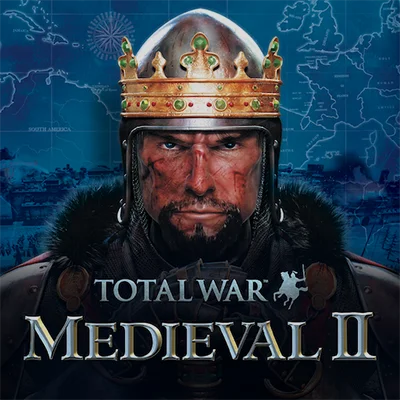
Step into the tumultuous Middle Ages with Total War: MEDIEVAL II, the legendary strategy masterpiece that brings centuries of warfare, diplomacy, and empire-building to your mobile device. If you’ve ever dreamed of commanding vast medieval armies, negotiating intricate alliances, or conquering territories from Western Europe to the Arabian deserts, this Android adaptation delivers an uncompromising strategy experience that rivals its PC counterpart. Whether you’re a Total War veteran or discovering grand strategy games for the first time, MEDIEVAL II offers unprecedented depth and complexity that’ll keep you planning your next move for hours.
In this comprehensive guide, we’ll explore everything that makes Total War: MEDIEVAL II a mobile gaming triumph—from its dual-layer gameplay mechanics to advanced strategies that’ll help you dominate the medieval world.
Table of Contents
What is Total War: MEDIEVAL II?
Total War: MEDIEVAL II is Feral Interactive’s masterful mobile port of Creative Assembly’s acclaimed turn-based strategy game, originally released for PC in 2006. This Android version preserves the complete experience while introducing touch-optimized controls and mobile-friendly features that make commanding medieval empires feel natural on smartphones and tablets.
Set across three continents during five momentous centuries of the Middle Ages, the game challenges you to transform your chosen faction into a dominant world power through any means necessary—military conquest, diplomatic maneuvering, economic supremacy, or cunning subterfuge. The game’s genius lies in its dual-layer design: managing your empire through turn-based strategic planning on the campaign map, then commanding massive real-time tactical battles when armies clash.
Core Features at a Glance
| Feature | Description |
|---|---|
| 17 Playable Factions | Command kingdoms from England to the Byzantine Empire |
| Real-Time Battles | Deploy thousands of troops in spectacular tactical combat |
| Turn-Based Strategy | Manage cities, diplomacy, trade, and empire expansion |
| Campaign Map | Spanning Europe, North Africa, and the Middle East |
| 5 Century Timeline | Experience historical events from 1080 to 1530 |
| Kingdoms Expansion | 24 additional factions across 4 unique campaigns (DLC) |
| Touch Controls | Optimized interface designed for mobile devices |
| Multiplayer Support | Asynchronous hotseat campaigns (with Kingdoms DLC) |
What distinguishes Total War: MEDIEVAL II from simplified mobile strategy games is its refusal to compromise depth for accessibility. This is a complete, uncompromising grand strategy experience that respects player intelligence and rewards careful planning, tactical brilliance, and strategic thinking.
The Campaign Layer: Building Your Medieval Empire
The heart of Total War: MEDIEVAL II lies in its turn-based campaign mode, where you’ll manage every aspect of your growing empire.
Faction Selection and Strategic Positioning
Your journey begins by selecting one of 17 historically authentic medieval factions, each with unique starting positions, units, strengths, and challenges.
Major Factions Include:
Western Powers:
- England: Strong longbowmen, naval tradition, starting conflicts with France and Scotland
- France: Central European powerhouse with heavy cavalry, numerous starting territories
- Holy Roman Empire: Central European economic strength, complex political situation
- Spain: Reconquista opportunities, strong religious motivation, skilled infantry
Mediterranean Forces:
- Venice: Maritime trade empire, powerful navy, strategic Mediterranean positioning
- Milan: Northern Italian wealth, crossbowmen expertise, diplomatic complexities
- Sicily: Island kingdom balancing Norman, Italian, and Muslim influences
- Byzantine Empire: Eastern Roman legacy, diverse unit roster, surrounded by threats
Eastern Powers:
- Turks: Powerful cavalry, expanding empire, gateway between Europe and Asia
- Moors: North African sophistication, unique units, religious conflict
- Egypt: Rich Nile civilization, strategic Middle Eastern position
- Russia: Vast territories, harsh climate advantages, unique units
Faction Selection Strategy:
For Beginners:
- England or France: Strong economies, manageable starting positions, versatile units
- Egypt: Defensible borders, wealthy provinces, straightforward expansion paths
For Intermediate Players:
- Holy Roman Empire: Complex diplomacy, central European challenges
- Spain: Rewarding Reconquista campaign, religious crusade opportunities
- Venice: Unique maritime trade focus, different strategic approach
For Veterans:
- Scotland: Difficult starting position, aggressive neighbors, limited resources
- Russia: Vast territories to defend, harsh climate mechanics, distant from conflicts
- Moors: Religious conflict challenges, multiple threatening neighbors
For players who enjoy complex strategic gameplay with historical settings, ROME: Total War offers classical antiquity warfare, while Total War: EMPIRE brings gunpowder age conflicts to mobile with similar depth and tactical complexity.
Empire Management Systems
Managing your medieval kingdom requires balancing multiple interconnected systems:
Settlement Development:
Building Construction: Every settlement offers construction options across several categories:
- Military Buildings: Barracks, stables, ranges for recruiting units
- Economic Structures: Markets, ports, mines generating income
- Infrastructure: Roads, walls, watchtowers improving functionality
- Religious Buildings: Churches, cathedrals affecting public order and providing agents
- Educational Facilities: Universities, scholars’ guilds enabling technology research
Building Strategy:
- Early game: Focus on economic buildings establishing income foundation
- Military expansion: Construct recruitment buildings in border regions
- Stable territories: Invest in infrastructure and advanced buildings
- Religious balance: Maintain appropriate faith buildings preventing unrest
- Strategic specialization: Designate cities for specific purposes (military production, economic centers, religious hubs)
Population Management: Settlement populations grow naturally but require careful management:
- Unhappy populations rebel or defect to neighbors
- Public order maintained through garrison troops, buildings, and governor policies
- Tax rates balanced between income maximization and public satisfaction
- Religious conversion gradually shifts settlement faith
- Plague and disaster events randomly affecting populations
Economic Systems:
Income Sources:
- Taxation: Base income from settlement populations
- Trade: Routes established with other factions through ports and merchants
- Resources: Mines, farms, and special resources providing bonuses
- Tribute: Payments from vassals or intimidated factions
- Looting: One-time income from conquered settlements
Expenses:
- Unit Upkeep: Ongoing costs for maintaining armies
- Building Construction: One-time costs for development
- Agent Maintenance: Spies, diplomats, merchants, and assassins
- Bribery and Diplomacy: Costs for influencing other factions
Financial Strategy: Successful empire management requires sustainable economic growth:
- Early expansion focuses on capturing wealthy, resource-rich territories
- Trade agreements established with distant, non-threatening factions
- Military spending balanced against growth investment
- Economic buildings prioritized in core territories
- Border regions fortified rather than developed economically
Diplomacy and Factional Relations
Medieval politics prove as complex and dangerous as battlefield combat:
Diplomatic Options:
| Action | Purpose | Strategic Use |
|---|---|---|
| Trade Agreements | Generate income, improve relations | Establish with distant factions |
| Alliances | Military cooperation, mutual defense | Secure borders, focus expansion elsewhere |
| Marriages | Strengthen diplomatic ties | Cement important relationships |
| Ceasefires | Temporary peace | Buy time for recovery or repositioning |
| Vassalization | Tributary state creation | Expand influence without direct control |
| Map Information | Intelligence sharing | Understand strategic situation |
Diplomatic Considerations:
- Faction relationships influenced by religion, proximity, power balance, and history
- Pope’s influence affects Catholic factions through excommunication threats
- Breaking agreements damages reputation permanently
- Aggressive expansion triggers negative reactions from neighbors
- Strategic marriages prevent without ensuring absolute loyalty
Agent Operations:
Available Agents:
- Diplomats: Negotiate agreements, trade offers, alliances
- Spies: Infiltrate enemy settlements, gather intelligence, open gates during sieges
- Assassins: Eliminate enemy generals, agents, or family members
- Merchants: Establish trade resources, generate passive income
- Priests: Spread religion, denounce heretics, become cardinals
- Princesses: Diplomatic marriages, seduce enemy generals
Agent Strategy: Skilled players deploy agents systematically:
- Spies placed in target cities before invasions
- Assassins eliminating threatening enemy generals
- Merchants securing valuable trade resources
- Priests converting strategic territories
- Diplomats maintaining advantageous relationships
Similar to Company of Heroes, which emphasizes tactical resource management and unit positioning, Total War: MEDIEVAL II rewards players who master both strategic planning and tactical execution across multiple gameplay layers.
Real-Time Battles: The Art of Medieval Warfare
When armies meet on the campaign map, gameplay transitions to spectacular real-time tactical battles where thousands of soldiers clash in historically inspired combat.
Battle Fundamentals
Unit Classifications:
Infantry Types:
- Spearmen: Defensive formations countering cavalry charges
- Swordsmen: Versatile melee fighters for general combat
- Pikemen: Extended reach countering cavalry effectively
- Two-Handed Weapons: Powerful attacks breaking enemy lines
- Heavy Infantry: Armored elites for critical engagements
Ranged Units:
- Archers: Volume fire suppressing enemy formations
- Crossbowmen: Armor-piercing accuracy with slower rate
- Gunpowder Units: Late-game firearms devastating effectiveness
- Javelin Throwers: Skirmishers harassing before melee
Cavalry:
- Light Cavalry: Fast flankers and pursuit units
- Heavy Cavalry: Devastating charges breaking formations
- Missile Cavalry: Mobile harassment and hit-and-run tactics
- Shock Cavalry: Elite armored lancers for decisive moments
Siege Equipment:
- Battering Rams: Breaking through gates
- Siege Towers: Scaling walls directly
- Catapults: Ranged bombardment destroying fortifications
- Trebuchets: Powerful long-range siege engines
- Ballistas: Anti-personnel artillery
Artillery:
- Cannon: Late-game explosive devastation
- Mortars: Indirect fire over obstacles
- Ribaults: Multiple-barrel anti-infantry
Tactical Combat Principles
Formation and Positioning:
Battlefield success depends on proper unit deployment:
Battle Line Construction:
- Center: Heavy infantry forming the main defensive line
- Flanks: Spearmen protecting against cavalry sweeps
- Reserve: Elite units held for critical moments
- Ranged: Archers behind main line providing fire support
- Cavalry Wings: Mobile forces on flanks for charges
Terrain Utilization:
- High ground provides morale and missile advantages
- Forests conceal ambushes and protect from cavalry
- Rivers create defensive barriers and slow enemy approach
- Towns and villages offer defensive positions
- Weather affects missile accuracy and troop morale
Tactical Maneuvers:
The Hammer and Anvil: Most effective medieval tactic:
- Infantry forms defensive “anvil” holding enemy
- Cavalry “hammer” sweeps flanks striking enemy rear
- Trapped enemy breaks from morale collapse
- Pursuit phase eliminates routing units
The Refused Flank: Defensive strategy against superior numbers:
- Concentrate forces on one flank
- Refuse engagement on weaker flank
- Break enemy wing quickly
- Roll up enemy line from flank
The Feigned Retreat: Advanced psychological tactic:
- Light cavalry engages enemy then retreats
- Enemy pursues breaking formation
- Retreating cavalry leads enemy into trap
- Fresh forces strike disordered enemy
Morale Management:
Unit morale proves as important as combat statistics:
Morale Factors:
- General Presence: Commander proximity boosts morale
- Casualties: Heavy losses reduce fighting spirit
- Flanking: Attacks from sides or rear cause panic
- Unit Quality: Elite troops resist breaking longer
- Fatigue: Tired units more likely to rout
- Enemy Size: Overwhelming numbers intimidate
Breaking and Routing:
- Routing units flee battlefield and can’t be controlled
- Rallying possible if general nearby and situation improves
- Complete rout leads to unit destruction
- Pursuing routing enemies prevents regrouping
Siege Warfare Complexity
Attacking or defending fortified settlements adds dramatic complexity:
Siege Attacks:
Assault Options:
- Direct Assault: Immediate attack without siege equipment (high casualties)
- Siege Construction: Build equipment over multiple turns (ladders, towers, rams)
- Artillery Bombardment: Destroy walls before infantry assault
- Starvation: Surround city until garrison surrenders (slow, garrison may sally)
- Infiltration: Use spies to open gates from inside
Siege Defense:
Defensive Advantages:
- Walls provide height and protection advantages
- Gates create choke points for concentrated defense
- Towers offer firing positions for archers
- Boiling oil damages units on walls and gates
- Garrison reinforcements from garrison buildings
Defensive Strategy:
- Station archers on walls targeting siege equipment
- Hold infantry reserves for breaches
- Counter enemy siege towers with heavy infantry
- Sortie cavalry attacking enemy artillery
- Time sallies to disrupt siege construction
For players seeking other strategic military experiences, Rusted Warfare – RTS Strategy provides futuristic real-time strategy combat, while Kingdom Rush Vengeance TD Game offers tower defense strategy requiring similar tactical thinking and positioning skills.
Advanced Strategies for Medieval Domination
Mastering Total War: MEDIEVAL II requires understanding advanced concepts separating competent players from strategic masters.
Early Game Expansion
Turn 1-50 Priorities:
Immediate Actions:
- Assess starting position and immediate threats
- Identify weakest neighbor for early conquest
- Establish trade agreements with distant factions
- Begin economic building construction in all settlements
- Send diplomats negotiating non-aggression pacts
Expansion Strategy:
- Target 1-2 neighboring territories for early conquest
- Consolidate before overextending
- Build economy supporting military expansion
- Maintain sufficient garrison forces preventing rebellions
- Balance conquest speed with economic sustainability
Common Early Mistakes:
- Expanding too quickly without economic foundation
- Declaring war on multiple factions simultaneously
- Neglecting settlement development for pure military focus
- Ignoring diplomatic opportunities for unnecessary conflict
- Poor army composition lacking combined arms balance
Mid Game Consolidation
Turn 50-100 Priorities:
Empire Stabilization:
- Convert conquered settlements to your religion
- Develop infrastructure in core territories
- Establish secure, defensible borders
- Build specialized military production centers
- Expand trade network maximizing income
Military Modernization:
- Research technologies unlocking advanced units
- Replace obsolete units with superior alternatives
- Establish military tradition through victories
- Train generals through battlefield experience
- Maintain standing armies at strategic positions
Diplomatic Maneuvering:
- Identify long-term expansion targets
- Secure alliances protecting vulnerable borders
- Manipulate rivals into fighting each other
- Manage Papal relations avoiding excommunication
- Use agents undermining strong neighbors
Late Game Dominance
Turn 100+ Priorities:
Total War Phase:
- Launch coordinated multi-front offensives
- Utilize advanced units dominating battlefields
- Economic superiority funding massive armies
- Crush remaining opposition systematically
- Complete victory conditions for campaign win
Victory Conditions:
Campaign Victory Requirements: Different factions have varying victory objectives, typically including:
- Control specified number of territories/regions
- Eliminate certain rival factions
- Capture specific historically significant settlements
- Maintain economic benchmarks
- Complete factional objectives
Victory Planning:
- Identify required territories early in campaign
- Plan expansion routes efficiently reaching objectives
- Prioritize targets contributing to victory conditions
- Avoid unnecessary conflicts delaying goal completion
- Time final push when military superiority achieved
The Kingdoms Expansion: Extended Medieval Warfare
Total War: MEDIEVAL II offers a massive expansion through the Kingdoms DLC, available via in-app purchase.
Four Unique Campaigns
Americas Campaign:
- Explores New World conflict and colonization
- Features Aztec, Mayan, and Spanish factions
- Unique jungle warfare and native units
- Different technological progression
- 6 playable factions
Britannia Campaign:
- Focuses on British Isles conflicts
- England, Scotland, Wales, Ireland, and Norway
- Detailed British geography and castles
- Dynastic struggles and Celtic warfare
- 5 playable factions
Crusades Campaign:
- Holy Land religious warfare
- Crusader states versus Islamic powers
- Desert warfare and siege-heavy gameplay
- Religious zealotry and factional objectives
- 5 playable factions
Teutonic Campaign:
- Northern European expansion
- Teutonic Knights’ Baltic crusades
- Cold weather warfare mechanics
- Pagan resistance and conversion
- 8 playable factions
Expansion Value Proposition
What Kingdoms Adds:
- 24 total playable factions (across four campaigns)
- Hundreds of new units unique to campaigns
- Different map sizes and strategic focuses
- Campaign-specific mechanics and challenges
- Asynchronous multiplayer hotseat mode
Storage Considerations:
- Base game requires 4.3GB (recommend 8.6GB)
- Full Kingdoms expansion adds 8.04GB
- Individual campaigns installable separately
- Total installation could exceed 12GB
- Manage storage by installing only desired campaigns
Investment Decision: For players exhausting base campaign content:
- Kingdoms provides essentially four additional games
- Distinct strategic challenges requiring adapted strategies
- Historical periods and regions beyond base campaign
- Multiplayer functionality exclusively in expansion
- Significant content justifying additional purchase
Mobile Optimization and Technical Performance
Understanding technical requirements and optimization ensures optimal Total War: MEDIEVAL II experience.
Device Requirements and Compatibility
Minimum Specifications:
- Operating System: Android 12 or later
- Storage: 4.3GB free space (8.6GB recommended)
- Additional: 8.04GB for complete Kingdoms expansion
- RAM: Sufficient for 3D real-time battles
- Processor: Compatible chipsets (check Feral’s device list)
Compatibility Verification: Feral Interactive maintains detailed device compatibility information:
- Visit https://feral.in/medieval2-android-devices
- Verified device list shows tested hardware
- Supported chipset information
- Known incompatibilities documented
- Purchase blocked on incompatible devices (usually)
Rare Compatibility Issues:
- Some devices incorrectly identified by Play Store
- Purchase possible on unsupported hardware
- May result in poor performance or crashes
- Verify compatibility before purchase
- No refunds for unsupported device purchases
Control Schemes and Interface
Touch Controls: Feral Interactive redesigned the interface specifically for mobile:
Campaign Map Controls:
- Pinch to zoom map view
- Drag to pan across territories
- Tap settlements for management
- Swipe through menus and options
- Context-sensitive buttons for actions
Battle Controls:
- Drag select unit groups
- Tap-and-hold for advanced formations
- Pinch zoom battlefield view
- Drag rotate camera angle
- Quick-access ability buttons
Alternative Input:
- Full Android-compatible mouse and keyboard support
- Traditional RTS controls for PC veterans
- Bluetooth peripheral compatibility
- External controller options for some functions
- Flexibility choosing preferred input method
Performance Optimization Tips
Maximizing Performance:
- Close background applications before launching
- Ensure adequate free storage beyond minimum
- Keep device cool during extended sessions
- Reduce graphics settings if experiencing slowdown
- Install game on internal storage rather than SD card
Battery Management:
- Real-time battles drain battery significantly
- Turn-based campaign play more battery-efficient
- Consider playing plugged in during long sessions
- Reduce screen brightness conserving power
- Enable battery saver mode if performance acceptable
Similar to other complex mobile strategy ports like Catan Classic, which brings board game strategy to mobile, Total War: MEDIEVAL II demonstrates that sophisticated gameplay translates successfully to touchscreens when developers invest in proper optimization.
Multiplayer and Hotseat Campaigns
The Hotseats & Halberds update introduced multiplayer functionality to MEDIEVAL II mobile.
Asynchronous Hotseat Mode
How It Works:
- Available exclusively with Kingdoms expansion
- Single-device multiplayer using turn-based system
- Players take turns controlling their factions
- Asynchronous play allows turns at different times
- Battles can be auto-resolved or fought by controlling player
Setup Process:
- Start new campaign from Kingdoms expansion
- Select hotseat multiplayer option
- Configure participating factions
- Assign factions to different players
- Begin turn-based campaign
Strategic Considerations:
- Different dynamic than AI opponents
- Human players adapt and counter strategies
- Diplomacy more meaningful and unpredictable
- Alliances temporary and trust limited
- Long-term campaigns requiring player commitment
Balance Improvements
Late-Era Unit Adjustments: The update specifically addressed balance issues:
- Pikemen effectiveness tuned
- Zweihander units rebalanced
- Other late-game infantry adjusted
- More viable unit diversity in late campaign
- Reduced dominance of specific unit types
Frequently Asked Questions
Q: How much storage space does Total War: MEDIEVAL II require?
Total War: MEDIEVAL II requires a minimum of 4.3GB of free storage space for the base game installation, though Feral Interactive strongly recommends having at least double this amount (8.6GB) to avoid installation issues and ensure smooth performance. If you purchase the Kingdoms expansion, you’ll need an additional 8.04GB of storage space. However, the expansion allows you to install each of the four campaigns individually rather than all at once, helping you manage storage more effectively. Total installation with all content can exceed 12GB, so ensure your device has adequate free space before purchasing. The large file size reflects the game’s complete PC experience with detailed 3D graphics, thousands of units, and extensive campaign content.
Q: Can I play Total War: MEDIEVAL II on any Android device?
No, Total War: MEDIEVAL II has specific hardware requirements and only runs on compatible devices with Android 12 or later. Feral Interactive maintains a detailed compatibility list at https://feral.in/medieval2-android-devices showing verified devices and supported chipsets. The Google Play Store typically blocks purchases on incompatible devices, but rare instances occur where unsupported devices can purchase the game due to incorrect device identification. Before purchasing, verify your specific device appears on Feral’s compatibility list to avoid disappointment, as the game cannot be refunded if your device proves incompatible. The game demands significant processing power for real-time battles with thousands of units, so older or budget devices may not provide acceptable performance.
Q: Is Total War: MEDIEVAL II the complete PC version or a simplified mobile port?
Total War: MEDIEVAL II on Android is essentially the complete PC version with mobile-optimized controls, not a simplified port. The game includes all 17 playable factions, the full campaign map spanning three continents, hundreds of unit types, complete diplomacy systems, agent mechanics, and massive real-time battles with thousands of troops. The Kingdoms expansion (available as DLC) adds 24 more factions across four additional campaigns, matching the PC expansion content. The only modifications are the redesigned touch-friendly interface, optional auto-resolve for battles, and controls adapted for mobile devices. Feral Interactive successfully ported the complete grand strategy experience without removing depth or complexity, making this a true premium mobile strategy game rather than a watered-down adaptation.
Q: Does Total War: MEDIEVAL II have multiplayer battles or campaigns?
Total War: MEDIEVAL II on Android includes asynchronous multiplayer hotseat campaigns exclusively for players who own the Kingdoms expansion. This mode allows multiple players to share a single device, taking turns controlling their respective factions in a campaign. However, the game does not feature real-time competitive multiplayer battles where you directly fight other human players online. The hotseat mode focuses on turn-based strategic competition rather than real-time tactical multiplayer. While this limits competitive options compared to some strategy games, the single-player campaign and AI opponents provide substantial challenge and hundreds of hours of engaging gameplay. The hotseat mode works best for players who can coordinate with friends or family members sharing the same device.
Q: Are there in-app purchases or is it a one-time payment?
Total War: MEDIEVAL II follows a premium pricing model with a one-time upfront purchase for the base game, which includes all 17 factions and the complete Grand Campaign. The only additional purchase is the optional Kingdoms expansion DLC, which adds four separate campaigns with 24 new playable factions. This expansion represents significant additional content rather than consumable microtransactions or pay-to-win mechanics. There are no energy systems, loot boxes, premium currencies, or other typical free-to-play monetization elements. Once purchased, you own the complete game permanently with no ongoing costs unless you choose to buy the Kingdoms expansion. This represents excellent value for strategy enthusiasts, as you’re paying for a complete, uncompromised gaming experience identical to the original PC version.
Conclusion: The Definitive Mobile Strategy Experience
Total War: MEDIEVAL II stands as a monumental achievement in mobile gaming—a complete, uncompromised grand strategy experience that respects player intelligence while delivering hundreds of hours of engaging gameplay. Feral Interactive’s masterful port proves that complex PC strategy games can translate successfully to mobile platforms when developers prioritize quality over simplified mechanics.
The game excels across every dimension: the turn-based campaign layer offers incredible strategic depth with empire management, diplomacy, economic development, and agent intrigue; the real-time battles deliver spectacular tactical combat with thousands of units and sophisticated medieval warfare tactics; the historical setting brings the Middle Ages to life with authentic factions, units, and conflicts spanning five centuries. The optional Kingdoms expansion effectively quadruples content with four distinct campaigns exploring different periods and regions.
Mobile optimization remains excellent despite the game’s complexity. Touch controls feel natural after brief adjustment, mouse and keyboard support accommodates traditionalists, and performance stays smooth on compatible modern devices. The substantial storage requirements (4.3GB base, additional 8GB for expansion) reflect the complete PC experience rather than a compromised mobile adaptation.
However, the experience demands commitment. This isn’t a casual mobile game for short sessions—campaigns stretch across hundreds of turns requiring strategic planning and tactical execution. The learning curve challenges newcomers unfamiliar with grand strategy conventions. Device compatibility limitations mean not everyone can enjoy the game, and the premium pricing (plus optional expansion purchase) exceeds typical mobile game costs.
Final Verdict:
For strategy enthusiasts, history buffs, and players seeking premium mobile gaming experiences, Total War: MEDIEVAL II represents essential downloading. The game delivers unmatched strategic depth, spectacular battles, and authentic medieval warfare in a complete package without exploitative monetization. If you appreciate complex strategy, enjoy historical settings, and possess a compatible device with adequate storage, this ranks among mobile gaming’s finest achievements.
The game proves that mobile platforms can deliver experiences rivaling traditional gaming platforms when developers refuse to compromise vision for accessibility. Total War: MEDIEVAL II doesn’t hold your hand or simplify mechanics—it treats you as an intelligent strategist capable of mastering sophisticated systems, rewarding your investment with genuinely satisfying strategic gameplay.
Ready to forge your medieval empire and command thousands of soldiers in battle? Download Total War: MEDIEVAL II from Google Play and begin your conquest today!
📥 Download Total War: MEDIEVAL II APK Latest Version (Premium Unlocked)
Note: This version is safe. You can scan it yourself via VirusTotal.