PDF Reader – Document Viewer MOD APK: Foxit, Adobe, Multi-Format Viewers
In our increasingly digital world, having a reliable PDF Reader – Document Viewer on your Android device isn’t just convenient—it’s essential. Whether you’re a student reviewing lecture notes, a professional managing contracts, or simply someone who needs to access important documents on the go, choosing the right document viewing app can significantly impact your productivity. With dozens of options available on the Google Play Store, finding the perfect PDF Reader – Document Viewer that balances functionality, speed, and user experience requires careful consideration.
Table of Contents
Understanding the Power of Modern PDF Reader – Document Viewer Apps
A quality PDF Reader – Document Viewer has evolved far beyond simple file opening capabilities. Today’s applications serve as comprehensive document management systems that fit in your pocket. These versatile tools allow you to read, edit, annotate, organize, and share files across multiple formats—all from your smartphone or tablet.
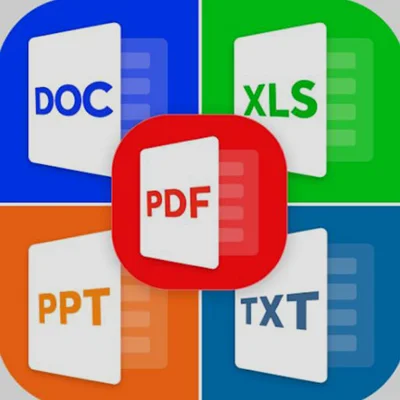
The modern document viewer supports various file types including PDF, DOC, DOCX, XLS, XLSX, PPT, PPTX, and TXT files. This multi-format compatibility eliminates the need for multiple apps cluttering your device, streamlining your workflow and saving valuable storage space. Whether you’re opening a business report, reading an ebook, reviewing a spreadsheet, or presenting a slide deck, a robust document reader handles everything seamlessly.
What distinguishes exceptional PDF viewing apps from mediocre ones comes down to speed, reliability, feature richness, and user interface design. The best applications automatically scan and organize your files, provide intuitive navigation, offer powerful editing capabilities, and maintain consistent performance even with large documents. Understanding these capabilities helps you make informed decisions about which document management solution best serves your needs.
Essential Features Every PDF Reader – Document Viewer Should Have
Smart File Management and Organization
The foundation of any excellent PDF Reader – Document Viewer starts with intelligent file management. Top-tier applications automatically scan your device to locate and categorize all documents, presenting them in organized lists or folder structures for quick access. This auto-detection feature saves countless hours you’d otherwise spend manually searching through device storage.
Advanced document viewers offer multiple sorting options—by name, file size, modification date, or access frequency—allowing you to customize how you organize your digital library. The favorites or bookmarking feature lets you flag frequently accessed files for instant retrieval, while the recent files section provides quick access to your most current work.
Versatile Viewing Modes and Navigation
Reading comfort varies by document type and personal preference, which is why quality PDF readers provide multiple viewing modes. Page-by-page navigation suits detailed document review, while continuous scrolling offers fluid reading experiences for longer texts. Horizontal and vertical orientations accommodate different document layouts and user preferences.
Full-screen mode eliminates distractions by hiding navigation elements, creating an immersive reading environment perfect for ebooks or lengthy reports. Zoom functionality enables you to adjust text size for optimal readability, while the “go to page” feature lets you jump directly to specific sections without endless scrolling. These navigation tools transform document interaction from a chore into an efficient, enjoyable experience.
Powerful Annotation and Editing Tools
Modern PDF Reader – Document Viewer applications transcend passive viewing by incorporating robust editing capabilities. Annotation features allow you to highlight important passages in various colors, underline key phrases, or strike through outdated information. These markup tools prove invaluable for students studying from digital textbooks, professionals reviewing contracts, or anyone who needs to emphasize specific document sections.
Text annotation and note-taking functionality enables you to add comments, observations, or reminders directly to documents. Some advanced readers support doodling or freehand drawing, perfect for adding quick sketches, diagrams, or signatures. The ability to search and copy text from PDFs facilitates information extraction, while text-to-speech features support accessibility and hands-free document consumption.
Format Conversion and File Manipulation
Beyond viewing and editing, premium document readers include powerful conversion tools. Image-to-PDF converters transform photos, receipts, or scanned documents into universally compatible PDF format. Conversely, PDF-to-image conversion extracts graphics or converts entire documents into JPG or PNG files for easier sharing or editing in graphic design software.
Document merging combines multiple PDFs into single files, streamlining organization and distribution. Split functionality breaks large documents into manageable sections, useful when you need to share specific chapters or sections without sending entire files. These manipulation features elevate your PDF reader from simple viewer to comprehensive document processing tool.
Security and Privacy Protection
In an era of increasing digital threats, document security cannot be overlooked. Quality PDF Reader – Document Viewer apps implement password protection features, allowing you to encrypt sensitive files with custom passwords. This security layer proves essential for business documents, financial records, personal identification papers, or any confidential information stored on your device.
Privacy-focused readers transparently explain their data collection practices, ensuring your documents and usage patterns remain confidential. Look for applications that process files locally rather than uploading them to remote servers, maintaining complete control over your sensitive information. Secure file sharing options enable you to distribute documents through encrypted channels, protecting both sender and recipient.
Comparing Top PDF Reader – Document Viewer Applications
The Android ecosystem offers numerous document viewing solutions, each with unique strengths and specializations. Understanding these differences helps you select the application that best matches your specific requirements.
| Feature Category | Basic Readers | Mid-Tier Apps | Premium Solutions |
|---|---|---|---|
| File Format Support | PDF, basic DOC | PDF, DOC, XLS, PPT | 50+ formats including RAR, EPUB, ODT |
| Editing Capabilities | View only | Basic annotations | Full editing suite with OCR |
| Conversion Tools | None | Image to PDF | Bidirectional multi-format conversion |
| File Management | Simple list view | Folder organization | Smart categorization with search |
| Offline Functionality | Yes | Yes | Yes with cloud sync |
| Advertisement Presence | Frequent | Moderate | Minimal or ad-free |
| Performance | Basic files only | Handles most documents | Optimized for large files |
When evaluating PDF viewing apps, consider your primary use cases. Students might prioritize annotation tools and text-to-speech features, while business professionals may require password protection and professional editing capabilities. Casual users might prefer lightweight, ad-supported free versions, whereas power users benefit from premium, feature-rich alternatives.
For users seeking additional document management capabilities, exploring complementary tools can enhance your digital workflow. Adobe Acrobat Reader remains the industry standard for professional PDF handling, offering advanced features and cross-platform compatibility. If you frequently work with Microsoft Office files, having dedicated document processors alongside your primary reader ensures optimal compatibility and functionality.
Maximizing Productivity with Your Document Viewer
Owning a capable PDF Reader – Document Viewer is only the first step—leveraging its features effectively multiplies your productivity gains. Here are proven strategies to optimize your document management workflow:
Establish Organized Filing Systems
Create a logical folder structure on your device before accumulating hundreds of random files. Organize documents by project, date, category, or whatever system aligns with your workflow. Most advanced readers respect and display your device’s existing folder hierarchy, making well-organized storage instantly more accessible.
Use descriptive file names that clearly indicate content without opening documents. Instead of “Document1.pdf,” use “2025_Q1_SalesReport.pdf” or “ContractReview_SmithAssociates.pdf.” This naming convention dramatically reduces time spent searching for specific files, especially when dealing with large document libraries.
Master Keyboard Shortcuts and Gestures
Many PDF readers support gesture controls that accelerate navigation. Learn pinch-to-zoom, swipe navigation, and any app-specific gestures to reduce reliance on menus and buttons. If using a tablet with keyboard support, familiarize yourself with keyboard shortcuts for common actions like search, page navigation, or annotation activation.
These efficiency techniques seem minor individually but compound significantly over time, potentially saving minutes during each document session—hours monthly, and days annually for frequent users.
Leverage Cloud Integration Wisely
While maintaining offline access to important documents, strategic cloud integration enables seamless cross-device synchronization. Store working documents in cloud services like Google Drive, Dropbox, or OneDrive, allowing you to start reading on your phone during commutes and continue on your tablet or computer at home.
However, exercise caution with sensitive documents. Not every file needs cloud storage—maintain truly confidential information exclusively on your device or encrypted storage solutions. Balance convenience with security based on each document’s sensitivity level.
Regular Maintenance and Updates
Periodically review your document collection, deleting obsolete files that consume storage and clutter your library. Most PDF Reader – Document Viewer apps include built-in file managers facilitating bulk deletion, renaming, or reorganization. This maintenance prevents your digital library from becoming unmanageable chaos.
Keep your PDF reader application updated to benefit from performance improvements, security patches, and new features. Developers continuously refine their applications based on user feedback and technological advances—staying current ensures optimal functionality and protection.
For users managing multiple types of files beyond documents, comprehensive file recovery solutions prove invaluable. Applications like DiskDigger photo/file recovery help retrieve accidentally deleted documents, while Photo Recover-File Recovery specializes in recovering various file types from your device storage. These safety nets protect against data loss disasters.
Addressing Common PDF Reader Challenges
Despite continuous improvements, users occasionally encounter challenges with document viewing applications. Understanding these issues and their solutions ensures smoother experiences:
Performance with Large Files
Some PDF Reader – Document Viewer apps struggle with particularly large files—detailed technical manuals, comprehensive reports, or image-heavy documents. If your primary reader lags with hefty PDFs, consider keeping a lightweight alternative specifically for these files. Some applications optimize specifically for large document handling, advertising their ability to smoothly open 100+ page files.
Alternatively, split oversized documents into smaller sections if you frequently access only specific chapters or sections. This approach improves loading times and makes navigation more manageable, though it requires upfront investment in document preparation.
Advertisement Interruptions
Free document readers typically monetize through advertisements, which can range from subtle banner ads to intrusive full-screen interruptions. User reviews frequently mention ads appearing when opening files, closing files, or even during active reading sessions. These interruptions disrupt workflow and frustrate users seeking seamless document experiences.
If advertisements prove too disruptive, consider premium versions offering ad-free experiences. Alternatively, explore open-source or ad-light alternatives that balance developer compensation with user experience. The productivity gained from uninterrupted document access often justifies small subscription costs for frequent users.
Compatibility and Format Issues
Despite claims of universal format support, some readers exhibit inconsistencies with specific document types or formatting. Complex layouts, embedded fonts, or advanced PDF features sometimes render incorrectly or trigger errors. Maintaining multiple document readers—a primary app for most files and specialized alternatives for problematic formats—ensures you can always access your documents regardless of compatibility quirks.
When encountering persistent format issues, converting problematic files to more universally compatible formats often resolves compatibility challenges. Online conversion tools or dedicated file converters transform troublesome documents into more readable formats.
For comprehensive productivity solutions beyond document viewing, Microsoft 365 Copilot offers AI-powered document creation and editing, while Microsoft Outlook streamlines email management and document sharing. These integrated solutions create cohesive digital workspaces extending beyond basic file viewing.
Privacy Considerations and Data Security
When selecting a PDF Reader – Document Viewer, carefully evaluate the application’s data collection and privacy practices. Many free apps request extensive permissions that may exceed functional requirements—always review requested permissions before installation and consider whether they align with the app’s stated purpose.
Quality developers transparently communicate data collection practices, specifying exactly what information is gathered and how it’s used. Reputable applications typically collect minimal data necessary for functionality—file access for reading documents, storage access for saving edits, and potentially usage analytics for app improvement. Suspicious apps requesting contacts, camera, microphone, or location access without clear justification warrant additional scrutiny.
The MANAGE_EXTERNAL_STORAGE permission commonly requested by document readers on Android 11+ is legitimate—apps need this access to locate and open files throughout your device storage. However, this permission grants significant access, making it crucial to install only trusted applications from verified developers with positive user reviews and transparent privacy policies.
Best Practices for Document Security
Beyond choosing privacy-respecting applications, implement these security practices to protect sensitive documents:
- Password protect sensitive PDFs before storing them on mobile devices
- Avoid storing highly confidential documents on smartphones when possible
- Use secure file sharing methods rather than unencrypted messaging apps
- Enable device encryption to protect all stored files
- Regularly review installed apps and remove unused document readers
- Keep applications updated to receive security patches
These layered security measures protect your documents even if individual security components fail, creating comprehensive defense against unauthorized access.
The Future of Mobile Document Management
PDF Reader – Document Viewer technology continues evolving rapidly, incorporating artificial intelligence and machine learning to enhance functionality. Emerging features include AI-powered document summarization, intelligent text extraction, context-aware search, and automated document categorization.
Some cutting-edge applications now offer conversational AI integration, allowing you to “chat” with your documents—asking questions and receiving answers extracted from document content. OCR (Optical Character Recognition) technology transforms scanned documents and images into searchable, editable text. These innovations bridge gaps between physical and digital document workflows.
Voice-activated document navigation and text-to-speech capabilities improve accessibility while enabling hands-free operation during multitasking. As natural language processing advances, expect increasingly sophisticated voice commands for document manipulation, annotation, and organization.
For users interested in leveraging AI across various applications, exploring general AI assistants enhances overall productivity. ChatGPT provides AI-powered text assistance for document creation and editing, while Google Gemini offers Google’s approach to AI-enhanced productivity tools. These complementary technologies create comprehensive digital ecosystems supporting every aspect of document work.
Making Your Final Selection
Choosing the ideal PDF Reader – Document Viewer requires balancing multiple factors: feature requirements, performance expectations, privacy concerns, user interface preferences, and budget constraints. Start by clearly defining your primary use cases—do you mainly read documents, or do you require extensive editing capabilities? Will you primarily view PDFs, or do you need multi-format support?
Download several highly-rated applications and test them with your typical documents. Evaluate loading speeds, navigation smoothness, annotation tools, and overall user experience. Most premium apps offer trial periods or limited free versions, allowing risk-free evaluation before committing to purchases or subscriptions.
Pay attention to developer reputation and update frequency. Applications regularly updated with bug fixes and new features demonstrate ongoing commitment to quality and user satisfaction. Read recent user reviews to identify persistent issues or emerging problems before installation.
Remember that no single application perfectly serves every user—the “best” PDF reader is the one that best matches your specific needs, workflow, and preferences. Don’t hesitate to switch applications if your requirements change or if you discover alternatives better suited to your evolving digital document management needs.
Conclusion: Empowering Your Mobile Productivity
A capable PDF Reader – Document Viewer transforms your Android device into a powerful document processing workstation, enabling productivity anywhere, anytime. The right application eliminates boundaries between office and mobile work, allowing seamless document access whether you’re commuting, traveling, waiting in appointments, or simply preferring to work from your couch.
The investment in selecting and mastering quality document viewing software pays dividends through saved time, reduced frustration, and enhanced capabilities. As documents increasingly dominate our professional and personal lives, tools facilitating their efficient management become correspondingly more valuable.
Take time to explore available options, experiment with different applications, and discover which features most benefit your workflow. The perfect document reader exists for your needs—finding it simply requires thoughtful evaluation and hands-on testing. Your future productive self will appreciate the effort invested in establishing robust mobile document management capabilities today.
Frequently Asked Questions About PDF Reader – Document Viewer
Q1: What’s the difference between free and paid PDF Reader – Document Viewer applications?
A: Free PDF Reader – Document Viewer apps typically offer basic functionality including file viewing, simple navigation, and limited annotation capabilities, but monetize through advertisements that can interrupt workflow. These ads often appear when opening files, closing documents, or even during active reading sessions, which many users find disruptive. Free versions may also restrict advanced features like unlimited editing, format conversion, or file merging. Paid or premium versions eliminate advertisements entirely, providing uninterrupted document experiences. They unlock comprehensive feature sets including advanced editing tools, OCR text scanning, password protection, unlimited file conversions, cloud storage integration, and priority customer support. For casual users who occasionally view documents and can tolerate advertisements, free versions often suffice. However, professionals, students, or anyone regularly working with documents typically find premium subscriptions worthwhile—the productivity gained from ad-free usage and advanced features quickly justifies modest subscription costs, especially considering premium PDF readers cost significantly less than traditional desktop software while offering comparable functionality.
Q2: How much storage space does a typical PDF Reader – Document Viewer require, and will it slow down my device?
A: Most modern PDF Reader – Document Viewer applications are remarkably lightweight, typically requiring between 10-15MB of storage space for installation—significantly less than games or media apps. This minimal footprint means they won’t meaningfully impact your available storage or device performance. However, the documents themselves consume storage, and large PDF libraries with hundreds of files can accumulate to several gigabytes. Well-designed document readers optimize performance by loading files efficiently, caching recently accessed documents, and minimizing background processes. They shouldn’t noticeably slow your device during normal operation. Performance issues typically arise from three scenarios: opening extremely large files (100+ pages with many images), running the app on older devices with limited RAM, or using poorly optimized applications. To maintain optimal performance, periodically delete unnecessary documents, close the app completely when not in use, and keep your PDF reader updated—developers continuously improve efficiency with each update. If you notice persistent slowdowns, try alternative applications specifically optimized for performance, as some readers prioritize speed while others emphasize feature richness.
Q3: Can PDF Reader – Document Viewer apps work offline, or do they require constant internet connection?
A: One of the greatest advantages of quality PDF Reader – Document Viewer applications is their robust offline functionality—most are specifically designed to work completely without internet connectivity once installed. You can view, edit, annotate, and manage all documents stored locally on your device without any network access. This offline capability makes PDF readers perfect for airplane travel, remote locations, or situations with unreliable connectivity. The documents themselves reside on your device storage, not in the cloud, ensuring continuous access regardless of network availability. However, certain advanced features may require internet connections: cloud synchronization obviously needs network access to upload/download files; online format converters hosted on remote servers require connectivity; and some AI-powered features like document summarization or advanced OCR might process data through cloud servers. Additionally, if your documents are stored exclusively in cloud services like Google Drive or Dropbox, you’ll need internet to initially download them, though many apps allow you to cache frequently accessed cloud files for offline use. For maximum offline reliability, store important documents directly on your device rather than relying solely on cloud storage, and download your PDF reader’s full feature set rather than versions requiring server-side processing for core functionality.
📥 Download PDF Reader – Document Viewer MOD APK Latest Version (Premium Unlocked)
Note: This version is safe. You can scan it yourself via VirusTotal.